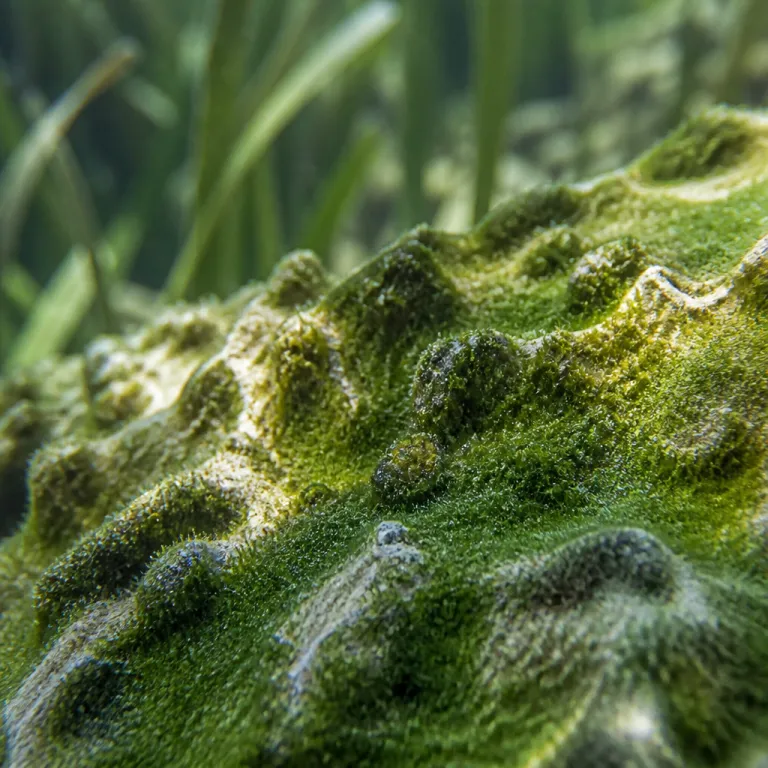
Why July on the Belize reef is not a bad idea
Most travelers glance at the Belize forecast, see the rainy season label, and assume July is a bad idea for a reef holiday. In reality, mornings on the Belize Barrier Reef are often bright, with calm blue water and only short, theatrical showers rolling through later in the day that rarely cancel a planned snorkeling adventure or family dive. If you time your day trip and boat schedule around those patterns, July can feel like a private season on some of the best snorkel sites in the country.
Water temperatures on the Belize reef in July usually sit around 28–29 °C, warmer than the 24 °C averages reported for winter reef destinations such as the Great Barrier Reef near Cairns, so most guests snorkel comfortably without a wetsuit. According to long term climate summaries from the Belize National Meteorological Service and NOAA Caribbean data, mid summer sea surface temperatures in this region consistently fall in the high 20s Celsius, which matches what local guides describe as “bath warm” conditions. For readers who like to verify numbers, recent Belize Met Service climate bulletins and NOAA Coral Reef Watch sea surface temperature charts both show July means in this range for the barrier reef corridor. Operators in Belize quietly borrow a few playbook ideas from Australian partners who recommend 3–5 mm wetsuits in cooler months, but here that extra neoprene is more about sun protection than staying warm during long Belize snorkeling sessions. Families who plan a full day on the barrier reef should still pack rash guards and wide brimmed hats for the boat, because the tropical sun will outmuscle any passing cloud within minutes.
Visibility on the Belize Barrier Reef in July is rarely as crystal as the 30 meter averages quoted for mid winter in Australia, yet it often settles into a very respectable 18–22 meters on the outer reef atoll walls. Regional dive reports and marine park monitoring notes from Hol Chan and Lighthouse Reef consistently describe this range as typical for calm summer days, with only brief dips after stronger squalls. NOAA Caribbean reef monitoring summaries and Hol Chan Marine Reserve water quality snapshots echo those figures, giving families a concrete sense of what to expect. That level of clarity is more than enough for children to spot schools of reef fish, watch nurse sharks glide past and follow their guide along coral ridges during a gentle Belize snorkel session. The key is choosing resorts that schedule marine excursions early in the day, before the wind freshens and the sea state shifts from glassy to playful chop.
Whale sharks, blue holes and choosing the right July base
July sits at the tail end of whale shark season off Gladden Spit, when spawning snapper and grouper still draw in these giants on certain moon phases. Belize Fisheries Department guidelines and local operator logs place the core season from March to June, with a softer shoulder into early July when conditions line up. Ethical operators running whale shark diving and snorkeling trips from Placencia will be honest about your chances, which drop compared with May yet still reward patient guests who book flexible day trip windows rather than a single, all or nothing boat outing. For families, I recommend one dedicated whale shark dive or snorkel day and a second, more relaxed snorkeling adventure on the nearby barrier reef to balance expectations.
Luxury travelers focused on the iconic Blue Hole usually base themselves on Ambergris Caye or at a private lodge closer to Lighthouse Reef, because the boat run from San Pedro to the Blue Hole and surrounding reef atoll sites takes roughly three hours each way. That long day is better suited to confident divers and older teens, while younger children will be happier with shorter snorkel sites inside Hol Chan Marine Reserve or off Caye Caulker, where marine life feels close enough to touch and the beach is never far away. When you compare options, the Blue Hole dive is about bragging rights and depth, while Hol Chan and Shark Ray Alley deliver shallow, high energy marine life encounters that work beautifully for mixed skill levels.
Families who want a reef base with easy access to inland thrills should look at Ambergris Caye resorts that package marine reserve snorkeling with jungle zip lines and Maya site excursions. A number of properties now coordinate with curated family programs such as the experiences highlighted in this guide to Belize adventures designed for children, which means your snorkel day can be followed by a cave tubing trip or a gentle ruin climb. That balance keeps reef focused children engaged while giving adults the sense that their Belize snorkeling holiday is more than a single note of sand and sea.
Rates, reef conservation and the July value sweet spot
Green season in Belize quietly rewrites the luxury math, because many reef front resorts drop rates by 20–40 percent compared with the dry months from December to April. A beachfront suite on Ambergris Caye that commands a premium in January will often slide into a far more forgiving bracket in July, especially when bundled with a private boat charter, a guided Belize snorkeling package or a family friendly dive course. For premium families, that price shift can mean upgrading from a standard room to a two bedroom villa without stretching the budget.
Those savings also create space to invest in more meaningful marine experiences, such as a private guide for your first barrier reef snorkel or a small group dive on Lighthouse Reef instead of a crowded day boat. Belize has committed to protecting a significant share of its marine territory through innovative blue finance, and many of the best properties now align with conservation partners rather than chasing volume at the expense of the reef. When you see a resort limiting group sizes at Hol Chan or capping the number of Belize snorkel departures each day, that restraint is usually a sign of long term thinking rather than a lack of demand.
Some of the most interesting work happens behind the scenes, where scientists and hoteliers collaborate on coral nurseries and reef atoll monitoring programs. Projects such as Fragments of Hope, profiled in reports on Belize coral DNA research, invite guests to spend part of a day learning how coral fragments are grown and replanted on damaged sections of the Belize barrier. For children, planting a coral alongside a marine biologist can be as memorable as spotting nurse sharks, because it reframes the reef not as an aquarium style attraction but as a living system that will respond to their choices long after the trip ends.
Choosing the right luxury base for July reef families
Picking a July hotel in Belize is less about marble lobbies and more about how quickly you can step from your suite to the snorkel sites that match your family’s confidence. On Ambergris Caye, high end resorts south of San Pedro often run their own small boats directly to Hol Chan Marine Reserve, which means a ten minute ride from the beach to the barrier reef instead of a crowded, multi stop shuttle. That short hop matters when you are managing nap schedules, sunscreen battles and the inevitable “are we there yet” chorus from younger snorkelers.
Caye Caulker offers a different rhythm, with barefoot luxury guesthouses and villas that lean into slow mornings, then send guests out on half day trip charters to nearby marine reserve zones. Here, the best operators will tailor a snorkeling adventure around your children’s ages, starting in waist deep sand patches where they can test a snorkel and mask before drifting over coral gardens filled with reef fish and rays. Ask specifically whether the captain is comfortable adjusting the plan if someone panics at the first glimpse of sharks, because a calm, experienced guide will turn that moment into a story rather than a scar.
Further offshore, a handful of private islands near Lighthouse Reef and Turneffe Atoll deliver the most exclusive version of Belize reef snorkeling in summer, with house reefs that begin a few fin kicks from your villa deck. These properties often include guided Belize snorkeling sessions in their nightly rate, along with kayaks and stand up paddleboards for calm water days when diving feels too ambitious. They also tend to attract serious divers who respect marine life etiquette, so your children will see what it looks like when adults give turtles space, keep hands off coral and treat the barrier reef as a privilege rather than a theme park.
Rain, reality and how to structure your July reef days
Weather anxiety is the main reason many travelers write off Belize reef snorkeling in July, yet the on the water reality is more nuanced than a simple rainy season label. Most days start with light winds and clear skies, which is why seasoned captains schedule dive and snorkel departures early, then aim to be back near the caye or beach by mid afternoon when showers are more likely. That rhythm leaves time for a lazy pool session, a spa treatment or a cooking class while the clouds do their work offshore.
Afternoon squalls can briefly reduce visibility on the outer barrier reef, but the impact is often less dramatic than guests fear, especially on protected sides of reef atoll walls. Local dive operators who have spent decades reading these patterns will quietly shift snorkel sites to leeward zones or inside marine reserve channels where the water stays calmer and the marine life remains unfazed by surface chop. As one set of Great Barrier Reef planning notes puts it, “Book tours in advance, wear appropriate wetsuits, start early to avoid crowds,” and that same logic applies elegantly to Belize, even if you swap neoprene for a thin rash guard.
Structuring your week around that pattern also leaves room for culinary and cultural detours that feel distinctly July. Many coastal kitchens lean into fresh lobster menus once the season opens, and some of the most atmospheric reef lodges now offer trap to table experiences similar in spirit to those profiled in this guide to Belize lobster season resorts. Pair an early morning Belize snorkel outing with an afternoon cooking lesson, and your children will connect the nurse sharks they saw on the reef with the sustainable fishing stories they hear at dinner.
FAQ
Is July a good time for snorkeling and diving in Belize ?
July is an excellent time for snorkeling and diving on the Belize Barrier Reef, with warm water, generally calm mornings and fewer boats than peak winter months. While it falls in the rainy season, showers tend to be short and often arrive later in the day, so most reef excursions run as planned. Families who schedule early departures usually enjoy clear conditions and comfortable sea states.
Will rainy season storms ruin my reef day trip plans ?
Rainy season in Belize rarely means all day downpours, especially along the reef, so complete cancellations are uncommon. Captains may adjust routes or timing if a squall line appears, shifting to more sheltered snorkel sites behind the barrier reef or inside marine reserve channels. Flexible guests who accept a bit of weather drama often gain quieter reefs and more intimate marine life encounters.
Is whale shark diving in July suitable for children ?
Whale shark diving at Gladden Spit in July is best for strong teenage swimmers who are already comfortable in open water, rather than younger children. The boat rides are long, currents can be noticeable and encounters are never guaranteed, especially late in the season. For most families, a dedicated whale shark day for adults and older teens, paired with gentler snorkeling adventure outings on the barrier reef for younger kids, strikes the right balance.
How does July pricing at reef resorts compare with winter ?
Luxury and premium reef resorts in Belize typically price July 20–40 percent lower than the high season months from December to April. That difference can move a family from a standard room into a larger suite or villa, or free up budget for private boat charters and guided Belize snorkel sessions. Booking early still matters, because the best located properties with strong marine programs fill quickly even in green season.
Do I need a wetsuit for belize reef snorkeling summer July ?
Most guests find the July water temperature in Belize warm enough to snorkel comfortably without a wetsuit, especially on short sessions around Hol Chan or Caye Caulker. A thin 1–2 mm top or a long sleeve rash guard is useful for sun protection and for longer diving days on outer reef atoll walls such as Lighthouse Reef. Travelers used to cooler destinations where a 3–5 mm suit is standard are usually pleasantly surprised by how gentle the Caribbean feels in mid summer.