Why Belize now leads the way in educational family resort stays
Belize has quietly become the Caribbean’s most compact classroom for families. Luxury properties now treat a Belize family stay as a chance to learn together, not just a chance for kids to vanish into a generic club. Parents planning a family vacation increasingly ask which resort offers reef science briefings, jungle ecology walks and access to ancient Maya sites in a single, well curated itinerary that still feels like a holiday.
This shift matters for families who want more than another beach day with inflatable toys. A new generation of family resort teams in Belize designs activities where Belize kids log coral species, map Maya ruins and taste cacao during chocolate making sessions guided by local experts. The result is that Belize travel becomes a shared project for the whole family, rather than parallel holidays for adults and children who barely cross paths between meals.
Across the country, resorts from Ambergris Caye to San Ignacio now compete on the depth of their educational programming. On the coast, an island resort near the Belize Barrier Reef might pair a morning snorkel with an afternoon lab on fish anatomy for kids and parents. Inland, a jungle resort near Chaa Creek or the hills above San Ignacio will build multi day programs around ancient Maya astronomy, medicinal plants and visits to the Belize Zoo and nearby Maya sites, often led by guides certified through the Belize Tourism Board.
Reef science for kids: from barrier reef snorkels to beach labs
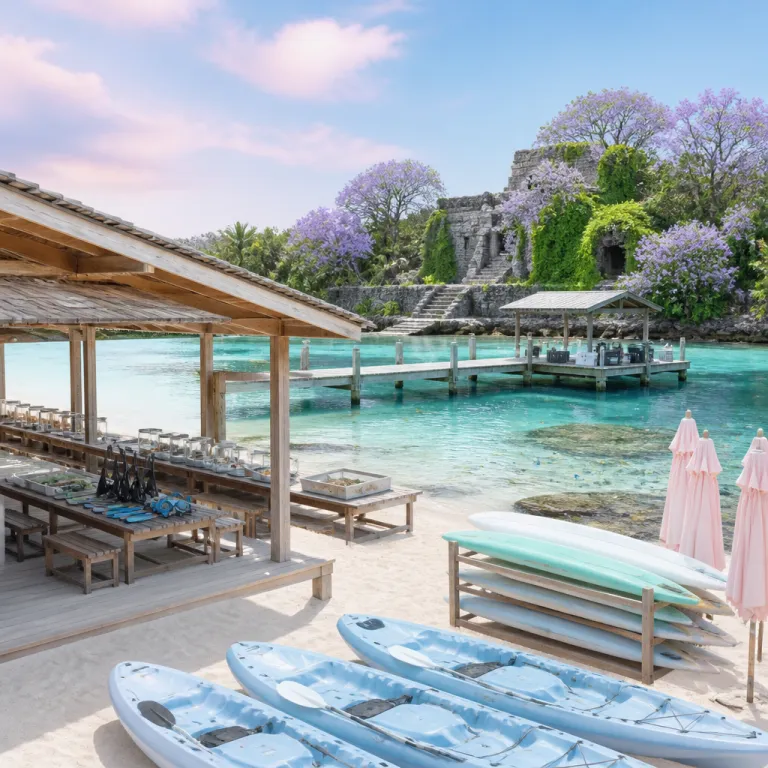
On the cayes, the best family friendly properties turn the barrier reef into a living science lab. At small island lodges on Long Caye and other offshore atolls, a typical day for a Belize family might start with a marine biologist led snorkel over the Belize Barrier Reef, part of the UNESCO listed Mesoamerican Barrier Reef System. Caye based guides move slowly so kids can practice fish identification, while parents learn how local currents shape coral health and why reef safe sunscreen matters for protecting more than 500 recorded fish species.
Back on the beach, children spread shells and seagrass on tables for simple classification activities. Staff use laminated cards and magnifiers so Belize kids can match what they saw near Ambergris Caye or another island to real species counts, including hundreds of marine species recorded along the Belize barrier system by regional conservation groups such as the Belize Audubon Society and the Healthy Reefs for Healthy People Initiative. These activities are not about turning every child into a scientist; they are about giving families a shared language for what they just experienced together.
Resorts such as Hamanasi Adventure & Dive Resort in Hopkins blend reef and jungle in one seamless family vacation. A morning snorkel might be followed by an afternoon mangrove kayak tour where kids test water clarity and log bird sightings with local guides. One Hopkins based guide explained that “when parents join the data collection, kids suddenly see them as teammates, not just supervisors.” For parents comparing luxury options, the key question is not whether a resort offers a generic snorkel tour, but whether it offers structured Belize family resort educational activities that build from one day to the next and follow basic safety standards such as life vests, briefings and small group ratios.
Maya history as a living classroom from san ignacio to the coast
In western Belize, the hills around San Ignacio and the Macal River have become the country’s unofficial field school for ancient Maya history. Properties near Chaa Creek and other jungle lodges now design multi day programs that weave site visits, hands on workshops and quiet reading time into one coherent arc for families. A typical Belize family itinerary might include Cahal Pech on the first day, Xunantunich on the second and a longer excursion to Caracol once kids have the context to appreciate its scale and its role in the wider Maya world.
Guides treat these Maya ruins as more than photo backdrops for social media. Children learn to read stelae, trace trade routes on simple maps and compare temple alignments with the night sky they see back at the resort. One San Ignacio based archaeologist told a visiting family that “the stones only come alive when someone asks a question,” and parents often say that this kind of educational adventure changes how their kids talk about history long after the vacation ends, because the jungle, the stones and the stories now belong to their own memories rather than a textbook.
Coastal resorts are catching up fast by pairing reef days with inland archaeology tours that depart from Belize City or San Pedro. A family friendly island resort on Ambergris Caye might arrange a day trip that starts with a short flight, continues with a guided walk through ancient Maya plazas and ends with chocolate making using traditional tools. For a deeper look at how this kind of conscious luxury is reshaping the country, see our analysis of why Belize is winning the conscious luxury race against more crowded destinations.
Choosing the right resort: structured programs vs tag along excursions
Not every resort in Belize that welcomes families offers true Belize family resort educational activities. Some properties simply allow kids to tag along on adult focused tours, which can leave younger children bored on long transfers from Belize City or overwhelmed by technical dive briefings near the barrier reef. The most rewarding stays for families come from resorts that publish clear age guidelines, learning goals and sample daily schedules before you book, along with approximate prices for add on excursions.
Look for language that explains what kids will actually do during each activity, not just where the tour goes. Strong programs specify that children aged six to nine will use picture based reef ID charts, while older kids might log water temperature and coral bleaching observations for local conservation groups. Resorts that take this approach usually partner with archaeological experts or marine NGOs, and they train their guides to teach as well as lead, often highlighting PADI, first aid or Belize Tourism Board guide certifications in their materials.
Parents should also pay attention to logistics, because a family vacation can unravel if transfers are too long or chaotic. On Ambergris Caye and around San Pedro, for example, many families rely on a golf cart to move between a beach resort, the town pier and the dock for island tours. Inland, a jungle property near San Ignacio or Chaa Creek should offer comfortable vehicles, child seats on request and realistic drive times to major Maya ruins and the Belize Zoo, typically 30 to 90 minutes each way depending on road conditions.
Planning a field school style family vacation across reef, jungle and town
Designing a field school style itinerary in Belize starts with mapping your child’s attention span, not just your own wish list. Programs typically cater to children aged 6 and above. That guideline reflects the reality that younger kids can enjoy sand and shallow water, but structured reef science or ancient Maya workshops demand a bit more focus and the ability to follow simple safety instructions.
A balanced week might include three days on an island resort near the Belize Barrier Reef, two days in the jungle near San Ignacio and one flexible day in or near Belize City. On the cayes, keep mornings for water based activities such as snorkeling, kayaking or guided beach walks, then shift to quieter crafts or storytelling when the sun is high. Inland, alternate archaeology days at Maya ruins with slower jungle walks, birdwatching or visits to the Belize Zoo so kids do not burn out, and allow for transfer times of 15 to 20 minutes between Belize City and the zoo or around two hours between the city and San Ignacio.
Families who value digital downtime often choose remote jungle lodges or smaller cayes that emphasize nature over screens. For a deeper dive into this style of stay, explore our guide to digital detox luxury in Belize’s remotest lodges and how it pairs with educational programming. When you book, ask directly whether the resort’s Belize family activities are capped at small group sizes, because intimate groups give kids more time with guides and more chances to ask questions.
From reef logs to chocolate making: what children remember years later
The most successful Belize family resort educational activities stay with children long after the sand has been rinsed from their shoes. A child who has floated above the barrier reef with a clipboard and pencil will never again see a coral as just a pretty rock. Parents often report that these experiences change dinner table conversations at home, as kids explain why a Belize family vacation taught them about currents, parrotfish and the fragility of island ecosystems that conservation groups say support thousands of local jobs.
Hands on cultural sessions have a similar impact, especially when they involve taste, smell and story. Chocolate making workshops that trace cacao from bean to bar, or Garifuna drumming circles that end with a shared meal, give families a way to connect with local communities beyond the usual souvenir shop. When a guide in San Ignacio or San Pedro explains how ancient Maya farmers shaped the jungle that still surrounds the town, kids start to see history as something alive rather than a chapter in a textbook or a quick museum stop.
These memories are reinforced when resorts encourage kids to keep simple field journals during their stay. Some properties now provide notebooks where children can tape leaf rubbings from jungle walks, sketch fish seen off Secret Beach or list animals spotted on the road between Belize City and the hills near Chaa Creek. For families travelling in peak periods, our report on how Belize’s luxury lodges adapt when summer crowds arrive explains which resorts maintain this level of thoughtful programming even when occupancy is high.
FAQ
What age is best for educational family programs in Belize resorts ?
Programs typically cater to children aged 6 and above. Younger kids can still enjoy gentle beach time, boat rides and short jungle walks, but structured reef science or ancient Maya workshops usually work better once children can follow simple instructions and stay focused for at least an hour. When in doubt, ask each resort to explain how they adapt activities for different ages within the same family and whether they offer private guides for mixed age groups.
Are the reef and jungle activities safe for non swimmers and nervous kids ?
Yes, many activities are designed for all skill levels. Reef sessions often start in shallow water with flotation vests, and guides stay close to kids who are new to snorkeling. Inland, jungle walks and visits to Maya ruins are paced gently, with frequent breaks and clear explanations so children feel confident rather than rushed, and reputable operators follow basic safety protocols such as headcounts, radios and weather checks.
Do resorts provide equipment for snorkeling, jungle walks and workshops ?
Yes, resorts usually supply required gear for activities. That typically includes snorkeling masks, fins, life vests, kayaks, basic field tools such as magnifiers and clipboards, and sometimes even rain ponchos for jungle outings. Families still benefit from bringing well fitting rash guards, closed toe shoes and reef safe sunscreen to keep kids comfortable all day and to avoid last minute purchases at higher resort prices.
How far in advance should families book educational programs in Belize ?
Booking in advance is strongly recommended because small group sizes fill quickly. Many resorts limit numbers for reef science sessions, archaeology tours and chocolate making workshops to preserve quality, especially during school holidays. Contact your chosen property several months ahead to secure preferred dates and to tailor a program that matches your children’s ages and interests, and ask whether activities are included in nightly rates or priced per person.
Can one trip combine reef science, Maya history and cultural experiences ?
Belize is compact enough that a single family vacation can easily include all three. A well planned itinerary might spend a few days on an island resort near the Belize Barrier Reef, then move inland to a jungle lodge near San Ignacio for Maya ruins and local village visits. Many high end properties coordinate transfers and shared lesson themes so kids see clear links between the reef, the jungle and the communities that connect them, turning a week away into a memorable field school.