Genetic science reshapes luxury reef travel in Belize
Scientists from Belize, Germany, the United States and the United Kingdom have converged on Placencia to map Belize’s coral DNA, and the implications for high-end travelers are immediate. The COR-POP project (Coral Population Omics and Planning), coordinated by Fragments of Hope with partners such as the Alfred Wegener Institute Helmholtz Centre for Polar and Marine Research, the University of Miami Rosenstiel School, the University of Belize Environmental Research Institute and collaborators at the University of Exeter, is quietly redefining Belize coral reef conservation by turning reef restoration into a data-driven discipline. According to project briefs shared by Fragments of Hope and the Alfred Wegener Institute, COR-POP began fieldwork in 2022 with support from international climate and biodiversity funds, and for guests booking premium stays along the Belize Barrier Reef this means the coral reef systems beneath their private skiffs are being managed with a level of planning more akin to a carefully curated wine cellar than a generic dive site.
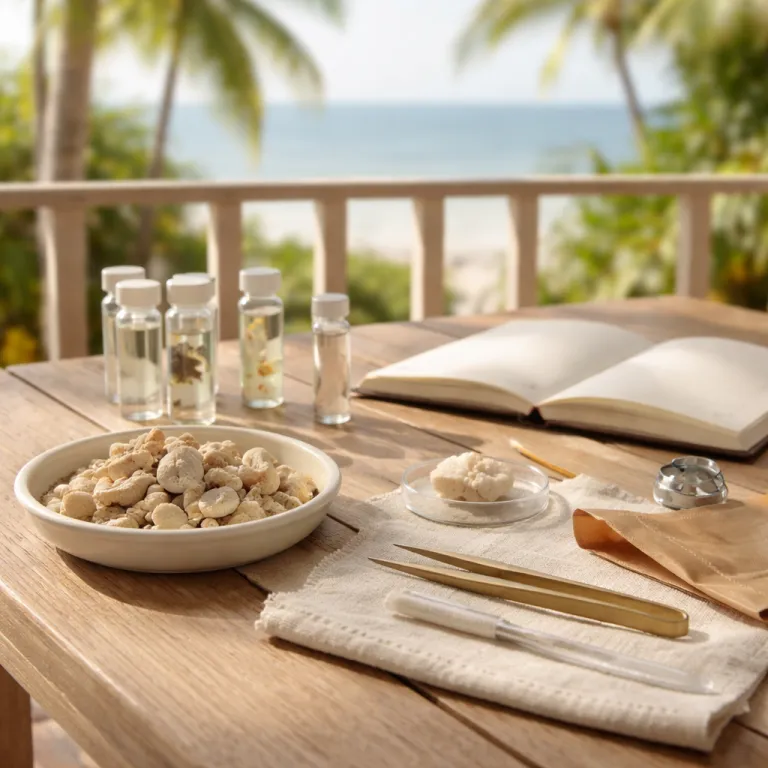
The workshop focuses on Acropora palmata, the critically endangered elkhorn coral that once dominated shallow reefs and now anchors many snorkel routes near Placencia and Laughing Bird Caye National Park. Using environmental DNA sampling, high-throughput genetic sequencing and open-source population genetics software such as STACKS and related tools, the marine science team is building a population management pipeline that will guide where each coral fragment is planted to maximize reef health and long-term conservation in Belize. As outlined in Fragments of Hope’s 2019–2021 monitoring report and in regional reviews of assisted evolution in reef-building corals, this type of genetic approach is still experimental and subject to uncertainty, yet it is already influencing how restoration practitioners think about resilience, and for travelers it can mean the difference between a future dive where sea turtles glide over living coral reefs and one where guests drift above bleached rubble.
Fragments of Hope reports that restored coral sites showed only 4% mortality during the 2015–2016 bleaching event, compared with 31% in nearby natural stands, a gap that every serious diver should understand before planning travel. That 4% figure, drawn from their long-term monitoring data and summarized in the Fragments of Hope “2016–2017 Coral Restoration Monitoring Report,” is now widely cited in regional coral restoration summaries and CORDAP technical overviews, but the organization notes that results vary by site, year and species and should be interpreted in light of sample size and survey methods. Even with those caveats, the contrast has become a reference point for marine conservation in Belize, and it is shaping how luxury properties describe their house reefs, their access to marine reserves and their turtle conservation commitments. For travelers choosing between a polished island resort on an atoll and a discreet eco-lodge on the mainland, the more useful question is increasingly simple: which property can demonstrate that its reef ecology strategy is aligned with current conservation science and the evidence emerging from Belize’s barrier reef rather than relying on generic sustainability claims.
From lab to lagoon: what this means at your resort jetty
The COR-POP team’s work in Placencia is deliberately practical; it is designed so that low-resource restoration teams and upscale resorts alike can apply the same genetic tools. As project leads from Fragments of Hope explain in public briefings and in their 2022 COR-POP concept note, the goal is “to use coral DNA to identify resilient genotypes and guide restoration so reefs can better withstand climate change.” This approach echoes recommendations from international initiatives such as the Coral Research & Development Accelerator Platform (CORDAP) and peer-reviewed studies on assisted evolution in reef-building corals, including work by van Oppen and colleagues on selective breeding and stress-hardening, and it now sits behind the sustainability pages of serious luxury hotels, from Hamanasi Adventure and Dive Resort in Hopkins to marine-biologist-led lodges on Turneffe Atoll that reference these frameworks in their conservation plans.
On Turneffe Atoll, where many premium properties operate their own marine-reserve-style management, dive guides are already talking guests through reef systems in terms of genetics, not just pretty coral heads. A pre-dive briefing might now include how specific coral reef genotypes are being trialed to withstand climate change, how invasive species such as lionfish are monitored and removed, and how sea turtle nesting data feeds into turtle conservation plans coordinated with the Belize Fisheries Department and local NGOs. For travelers comparing sustainable luxury options, analyses of why Belize is winning the conscious luxury race against Bali and similar discussions of conscious luxury in Belize help decode which properties genuinely integrate marine life science into daily operations and which simply use conservation language in their marketing.
In practice, this science filters down to details that matter at the waterline, from the reef-safe sunscreen stocked in your room to the way boat captains approach shallow coral reefs near George Caye or Laughing Bird. Some high-end operators now build a short reef ecology course into their diving packages, with a transparent fee that supports a local volunteer program or marine conservation expedition, while others host visiting researchers for seasonal fieldwork. Guests who care about Belize coral reef conservation should ask whether their chosen hotel contributes financially or in-kind to Fragments of Hope fieldwork, supports a marine reserve co-management scheme through staff time or boat use, or offers guided snorkeling where you can join a light-touch volunteer activity to monitor reef health and sea turtles using simple, standardized survey methods.
How luxury guests can engage with Belize’s coral future
For the solo explorer booking a premium stay, Belize coral reef conservation is no longer a background issue; it is part of the experience design. In Placencia, several upscale properties coordinate with Fragments of Hope so guests can join half-day snorkeling outings that double as a gentle volunteer program, where you help photograph coral colonies, log sea turtle sightings and learn how to apply simple reef health indicators such as coral cover, bleaching extent and fish diversity. These are not mass-market excursions but small group sessions that feel closer to a private marine expedition than a standard tour, and staff are usually trained to explain both the potential and the limits of what a few hours of citizen science can contribute to long-term datasets.
Farther offshore, select island retreats near Turneffe Atoll and the outer barrier reef now weave marine conservation into their nightly briefings, explaining how climate change, invasive species and local fishing rules intersect around their house reefs. A few lodges near George Caye and Laughing Bird Caye invite visiting scientists from the COR-POP team or partner universities to give informal talks, turning the bar into a salon where guests can ask how coral reefs are chosen for restoration, what a marine reserve designation really means in Belizean law and how turtle conservation data is shared across the region through initiatives such as the Wider Caribbean Sea Turtle Conservation Network. On land, properties such as Chan Chich Lodge in Orange Walk show how a jungle retreat can still align with ocean-focused conservation efforts through watershed protection, forest cover maintenance and careful land-use planning that ultimately benefit the reef by reducing sediment and nutrient runoff.
Practical choices matter as much as grand gestures, whether you are diving the outer reefs or kayaking in shallow water near your cabana. Choose operators who limit group sizes on the boat, brief guests on avoiding contact with coral and sea turtles, and clearly state how a portion of your course or certification fee supports marine life research or a local volunteer initiative rather than unspecified “environmental projects.” For deeper engagement, look for itineraries that combine a few nights at a sustainable luxury coastal property featured in guides to Belize’s sustainable luxury hotels and eco excellence in the heart of nature with time on an island near Turneffe Atoll, where you can join a structured marine conservation volunteer program that aligns directly with the COR-POP reef ecology strategy and is transparent about methods, data ownership and how results feed into management decisions.
Practical notes for travelers engaging with reef conservation
Luxury travelers planning to engage with Belize coral reef conservation should start by aligning their travel dates and locations with the most active marine conservation hubs. Placencia remains a key base for Fragments of Hope fieldwork, while Turneffe Atoll and the central barrier reef host several marine reserve zones where reef systems are monitored closely for reef health and marine life diversity using standardized survey protocols. When you book, ask whether the property collaborates with the Belize Fisheries Department, the Ministry of Blue Economy and Marine Conservation or the Blue Bond and Finance Permanence Unit, as these partnerships indicate serious conservation commitments grounded in national policy rather than isolated, short-term projects.
On the water, prioritize operators who use eco-friendly engines, avoid anchoring on coral reefs and provide clear briefings on how to behave around a sea turtle or sea turtles encountered while snorkeling. Many high-end dive centers now offer a short orientation course that explains how climate change affects coral reef bleaching, why invasive species such as lionfish threaten reef ecology and how turtle conservation data is collected during routine dives using simple log sheets or mobile apps. These briefings often reference the same open-source tools and genetic concepts being developed by the COR-POP team, giving guests a direct line between their day on the ocean and the datasets that will guide future restoration, while also emphasizing that no single survey or dive can capture the full complexity of reef change.
Finally, consider whether you want to add a structured volunteer element to your itinerary, either through a half-day citizen science snorkel near Placencia or a longer stay on an island base that hosts a marine conservation volunteer program. Some programs will charge a participation fee that covers your boat fuel, guide time and basic training, while others fold the cost into a broader expedition-style package that includes diving, accommodation and meals. Whatever format you choose, the key is to ensure that your presence supports, rather than stresses, the coral reefs that drew you to Belize in the first place, and to recognize that responsible tourism can complement but not replace the long-term funding, regulation and scientific monitoring required to secure Belize’s coral future.
Sources
Fragments of Hope, “2016–2017 Coral Restoration Monitoring Report” and subsequent monitoring summaries; COR-POP project concept note and partner institution briefings from Fragments of Hope, the Alfred Wegener Institute Helmholtz Centre for Polar and Marine Research, the University of Miami Rosenstiel School and the University of Belize Environmental Research Institute; CORDAP (Coral Research & Development Accelerator Platform) technical summaries on coral restoration and assisted evolution; peer-reviewed studies on assisted evolution in reef-building corals, including van Oppen et al. (2015, 2017) on selective breeding and stress-hardening approaches.