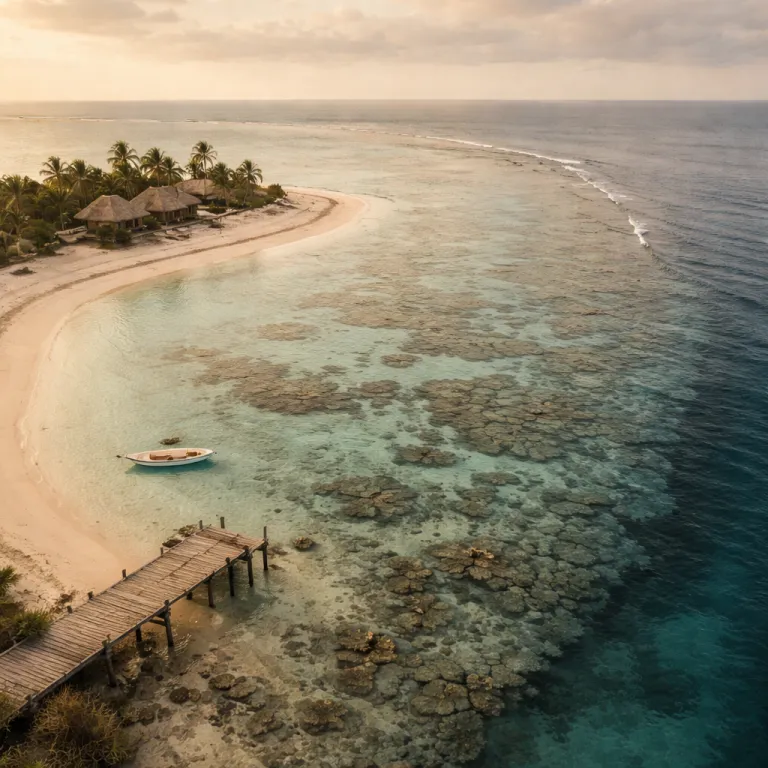
Why the Belize diving barrier reef belongs on your luxury short list
The Belize diving barrier reef is not a single site, but a roughly 300 kilometre living wall that shapes where the best luxury hotels quietly cluster. Along this coast and its offshore atolls, you will find properties that understand a dawn dive schedule, a rinsed wetsuit on your veranda and a boat waiting at the dock before the first blue light hits the water. If you care about marine life more than minibar size, choosing the right caye or reef atoll will define your entire trip.
Belize sits behind the second largest barrier reef on the planet, and that scale means you must decide between Ambergris Caye energy, remote Lighthouse Reef solitude or the wild edges of Gladden Spit and Glover’s Reef. Serious guests who come to dive Belize three times a day need more than a pretty pool; they need a marine reserve on the doorstep, a compressor that does not fail and a dive team that knows where the eagle rays cruise on an outgoing tide. As one long time guide likes to say, “The reef is your real lobby here — the hotel just sets the stage for how often you reach it.”
When you plan any diving Belize itinerary, think in terms of time on the water rather than distance on a map. A hotel that looks close to the barrier on screen may still require a long boat ride across choppy water each day, while a small lodge on a reef atoll can have you over reef fish and coral heads within minutes. Book dives in advance, check seasonal weather patterns and respect marine life; those three simple rules from local partners will do more for your experience than any glossy brochure.
Ambergris Caye and Hol Chan: where luxury meets easy reef access
Ambergris Caye is the country’s most polished island base, and it works beautifully if you want upscale hotels with fast access to Hol Chan Marine Reserve. Many guests choose a resort south of San Pedro town so the boat ride to the reef and to Shark Ray Alley takes less than fifteen minutes, leaving more of each day for a second dive or a lazy lunch. Hol Chan itself is a compact cut in the barrier reef, with typical depths of 6 to 9 metres and visibility often in the 18 to 24 metre range, which makes it ideal for mixed ability groups where some guests snorkel while others enjoy scuba diving along the drop.
For a first Belize diving barrier reef trip, Hol Chan and its neighbouring sites let you test currents, buoyancy and comfort with marine life before you commit to a full day out at an atoll. Operators here run morning dives, afternoon dives and night dives on a reliable schedule, which suits travellers who want to balance reef time with spa appointments and dinners back at their hotel. If you are comparing iconic sites like the Blue Hole with inland adventures, read a detailed field report such as what the Blue Hole and Caracol are really like before locking in your plans.
High end properties on Ambergris Caye understand that their guests may be out with a dive Belize operator from dawn until mid afternoon, so they stagger breakfast hours and arrange flexible check out times. Many will coordinate directly with local dive operators such as Belize Pro Dive Center or White Sands Dive Shop, ensuring your gear is loaded on the boat while you finish coffee and that your group has a guide ratio that feels safe rather than crowded. When you return, you step from water to pool to room in minutes, which is exactly how a reef focused holiday at this level should feel.
Turneffe Atoll: wall dives, eagle rays and dedicated dive lodges
Turneffe Atoll is often described as the largest coral atoll in the Western Hemisphere, and it feels purpose built for travellers whose entire trip orbits around the Belize barrier reef. Out here, you sleep on the reef atoll itself, so the first boat run of the day reaches a wall dive in ten to twenty minutes rather than an hour and a half from the mainland. That proximity means you can log three or four dives without the day feeling like a marathon of crossings and surface intervals.
Turneffe Island Resort, Turneffe Flats and a handful of neighbouring properties operate as dedicated dive bases, with on site compressors, gear rooms and guides who have been reading these currents since years ago when only a few boats came out each week. This is where you come for long wall drifts with eagle rays, for passes where large schools of reef fish hang in the blue and for the chance of manatee encounters in sheltered lagoons. If you are weighing Turneffe against the more famous Great Blue Hole day trip, a candid comparison such as beyond the brochure Blue Hole insights will help you decide which experience better fits your time and budget.
Life on an atoll runs to a different rhythm; you wake, you dive, you eat, you dive again, and the rest of the time you watch the water shift from pale blue to ink. Many resorts here participate in lionfish removal dives, turning an invasive species into ceviche and a conservation activity that guests can join between more relaxed scuba diving sessions. For a solo explorer, the shared focus on diving Belize creates an easy group dynamic, where conversations move from whale sharks at Gladden Spit to favourite Half Moon Caye sites over dessert.
Lighthouse Reef, the Blue Hole and Half Moon Caye from a luxury base
Lighthouse Reef Atoll is where the famous Blue Hole sits, but the smartest luxury travellers treat the great blue circle as one chapter in a wider reef story. Staying at a small lodge within the Lighthouse Reef system, rather than commuting from the mainland, turns a single long day into several unhurried dives across different sites. You wake on the atoll, watch the boat load under soft blue light and reach the first reef in the time it takes to finish a coffee.
The Blue Hole itself is a deep sinkhole in open water, and while its vertical walls and stalactites fascinate experienced divers, many guests find the surrounding sites at Half Moon Caye and the Aquarium more rewarding for marine life. Half Moon Caye Natural Monument combines a protected marine reserve with an island bird colony, so you can spend one dive with reef fish and eagle rays, then climb a viewing platform to watch red footed boobies between tanks. The Aquarium offers clear water, healthy coral and schooling fish in the shallows, which suits both scuba diving and snorkelling guests travelling in the same group.
From a hotel booking perspective, Lighthouse Reef works best for travellers willing to trade large resort amenities for direct barrier reef access and quiet nights under a sky full of stars. Properties here coordinate closely with local dive operators to time Blue Hole and Half Moon Caye excursions around other boats, giving you a better chance of feeling the great blue space without a crowd. If you are unsure whether to base yourself on the coast, a caye or an atoll, use a regional breakdown such as this region by region guide to choosing your Belize hotel to match your reef priorities with the right address.
Glover’s Reef, Gladden Spit and moon caye: remote luxury for reef purists
Glover’s Reef Atoll sits far enough offshore that only a few operators reach it regularly, and that remoteness is exactly why its reef remains among the healthiest in the Caribbean. Here, the Belize diving barrier reef experience shifts from busy moorings to quiet passes where your group may be the only boat in sight all day. Coral heads rise from deep blue water, reef fish swarm in dense clouds and the sense of space feels closer to a private marine park than a shared playground.
Several years ago, Glover’s Reef was inscribed as part of the Belize Barrier Reef Reserve System UNESCO World Heritage Site, and that status has helped protect both the atoll and its surrounding marine life. Luxury focused travellers usually reach it via multi day liveaboards or small eco forward lodges that prioritise low guest numbers over large facilities. From these bases, you can plan long dives on outer reef walls, relaxed snorkelling in the lagoon and targeted lionfish removal dives that support conservation while still feeling like a holiday.
South of here, Gladden Spit and Silk Cayes Marine Reserve offers a different kind of drama, especially in the season when whale sharks pass through deep blue channels to feed on spawning reef fish. Properties in Placencia and nearby cayes arrange full day boat trips to Gladden Spit, often combining a morning dive with an afternoon snorkel and a beach stop on a tiny caye. Moon Caye and other half moon shaped sandbars in this region give you that classic turquoise water image, but the real luxury lies in timing; your captain will aim to arrive when the light is soft, the water calm and the other boats still on the horizon.
How to choose the right luxury base for a reef focused stay
Choosing where to stay along the Belize barrier is ultimately about how you want to balance comfort, access and time on the water. Ambergris Caye and the mainland coast offer larger hotels with full service spas and restaurants, but you will spend more of each day on a boat reaching outer reef sites. Atolls like Turneffe, Lighthouse Reef and Glover’s trade some amenities for the luxury of waking on the reef itself, with marine life just beyond the dock.
When you compare properties, look beyond room photos to see how deeply they are integrated with local dive operators and marine reserve regulations. A serious dive Belize base will publish clear schedules for morning dives, afternoon dives and night dives, maintain its own gear or partner with a reputable shop and brief guests on eco friendly practices that support conservation goals. Belize Tourism Board guidance emphasises that eco tourism growth and increased marine conservation efforts go hand in hand, and the best hotels now weave that ethos into everything from reef safe toiletries to support for local lionfish programmes.
For a solo explorer, the most important filter is often the social atmosphere; a small atoll lodge where everyone comes to dive can feel more welcoming than a large anonymous resort. Ask how many divers they take per guide, how long the typical boat ride to the barrier reef runs and whether they can tailor a day around your experience level. As one local information sheet puts it succinctly, “What is the best time to dive in Belize? April to June offers optimal conditions. Are there beginner-friendly dive sites? Yes, many sites cater to beginners. Is diving equipment available for rent? Yes, local operators provide rentals.”
Key statistics for planning a Belize barrier reef diving stay
- The Belize Barrier Reef stretches for roughly 300 kilometres along the coast, making it the largest barrier reef system in the Western Hemisphere after Australia’s Great Barrier Reef, which means hotel choice strongly affects daily boat travel time.
- Scuba focused tourism brings well over one hundred thousand visitors each year for diving activities, a significant share of overall arrivals that supports both local dive operators and high end coastal hotels.
- Belize City and its surrounding coast serve as a primary gateway to offshore cayes and atolls, with coordinates near 17.5° north and 88.2° west placing travellers within striking distance of multiple marine reserve zones.
- Dive operations typically run three core time slots daily — morning dives, afternoon dives and night dives — allowing luxury properties to coordinate meal times and spa services around reef excursions.
- Eco friendly diving practices, including lionfish removal and strict respect for marine park rules, are now standard among leading operators, aligning guest experiences with national goals to conserve marine ecosystems and boost the local economy through tourism.
FAQ about luxury stays and diving the Belize barrier reef
What is the best season for a luxury diving trip in Belize ?
The most reliable conditions for a Belize diving barrier reef holiday generally fall between April and June, when seas are calmer and visibility is often excellent. This window also aligns with key marine life events such as whale shark season near Gladden Spit, which some travellers plan their entire trip around. High end hotels and atoll lodges tend to book out early for these months, so reserving both rooms and dives well in advance is wise.
Are there beginner friendly reef sites near upscale hotels ?
Yes, several marine reserve areas close to luxury properties cater specifically to new or rusty divers. Hol Chan Marine Reserve near Ambergris Caye offers shallow cuts in the barrier reef with clear water, gentle currents and abundant reef fish, making it ideal for first timers. Many high end resorts partner with local dive operators who provide small group instruction, patient guides and flexible schedules for training dives.
Can I rent scuba gear, or should I bring my own equipment ?
Most established operators serving luxury hotels provide full scuba diving and snorkelling equipment rentals, including regulators, BCDs, wetsuits and computers. Travellers who dive Belize frequently often bring personal masks, computers and sometimes regulators for comfort and familiarity, then rent heavier items on site. If you have specific sizing needs, contact the dive shop before your trip so they can confirm availability or suggest bringing key pieces.
How far are the atolls from mainland or Ambergris Caye hotels ?
Travel time by boat varies with weather and departure point, but reaching Turneffe Atoll or Lighthouse Reef from the mainland can take between 60 and 120 minutes each way. From Ambergris Caye, full day trips to the Blue Hole and Half Moon Caye often involve early departures and late returns, which can feel long if repeated several days in a row. Guests who prioritise multiple atoll dives usually prefer staying on a reef atoll lodge to minimise transit and maximise time in the water.
How can I make my reef focused stay more sustainable without sacrificing comfort ?
Choose hotels and operators that clearly support marine reserve rules, use eco friendly products and participate in conservation initiatives such as lionfish removal dives. Travel with reef safe sunscreen, avoid touching coral or chasing marine life and follow your guide’s briefings closely, as these small actions significantly reduce impact. Many luxury properties now blend high comfort with strong environmental policies, so you can enjoy a refined stay while contributing to the long term health of the Belize barrier reef.