How luxury hotels in Belize turn meals into a sense of place
Upscale Belize restaurants attached to luxury properties now treat every plate as a map of the country. In the hands of Belizean chefs and local farmers, a simple bowl of rice and beans or stewed chicken becomes a quiet masterclass in how Maya, Garifuna and Creole traditions overlap in one compact corner of the Caribbean. When you choose a resort for a romantic escape, pay attention to how its dining experience tells the story of Belize, not just how many courses arrive at the table.
In Belize City and across the Belize District, high end hotel kitchens increasingly work with nearby growers, fishers and cacao cooperatives, so the food reflects the landscape you explored that morning. The usual guidance for curious guests still holds true on the luxury end of the spectrum; “Try street food for authentic flavors” and “Visit markets for fresh produce” remain the fastest way to understand what appears on polished tasting menus. When a bay resort chef walks you through the market at dawn, then plates those same beans, herbs and rum-infused sauces at dinner, you feel the country’s supply chain in every bite.
Couples comparing upscale dining options should look for menus that name Belizean producers and reference specific regions such as the Cayo District, Orange Walk or the Toledo District. A resort that serves coconut curry lobster from a known fisher in San Pedro or cacao sourced from Maya communities near Punta Gorda is doing more than chasing trends; it is anchoring your dining experience in real relationships. As one Belize City hotel chef put it in a 2023 tourism board interview, “If I can’t tell you who grew it or caught it, it doesn’t belong on the menu.” That is where hotel-based Belize restaurants move from generic luxury to something you will genuinely enjoy and remember.
From street classics to elevated plates: stewed chicken, rice and beans, and lobster
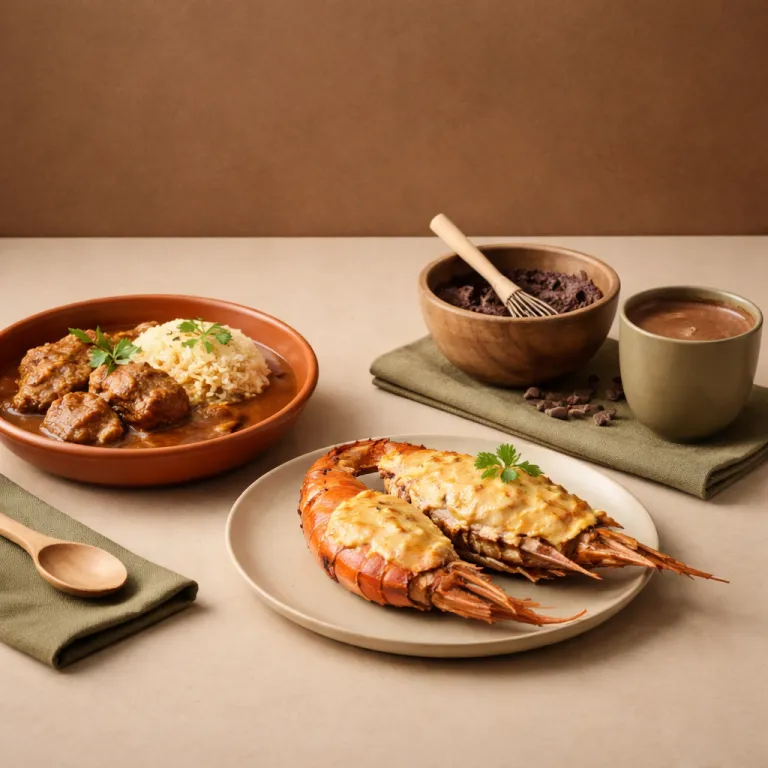
The backbone of most Belize dining rooms, whether in Belize City or on Ambergris Caye, is still the national comfort plate of stewed chicken with rice and beans. At the luxury level, the best chefs respect that heritage by keeping the slow cooked recado rojo base intact, then refining the texture of the coconut rice and beans or pairing the dish with seasonal greens from the Cayo District. You might sit under mahogany beams at a bay resort restaurant and realize the flavors match the small places to eat you tried at lunch, only now framed by polished service and a deeper wine list.
Belizean lobster is where the gap between resort pricing and local restaurants becomes most visible, especially in San Pedro on Ambergris Caye. In town, casual spots like Elvi’s Kitchen or Wild Mango’s grill lobster tails over open flames, brush them with garlic butter and serve them with coconut curry vegetables for a fraction of what a resort charges; a whole grilled lobster might cost roughly US$20–30 in town versus US$60–80 at a high end beach club. At a mahogany bay resort or similar property, that same lobster might arrive as a multi course tasting, perhaps poached in rum-scented stock or folded into a delicate chocolate and cacao nib sauce that nods to Maya traditions from the Toledo District.
Neither approach is wrong; they simply answer different questions for travelers who enjoy food. If you want to feel the pulse of the country, eat stewed chicken and rice and beans at a busy local club in Belize City, then compare it to the refined version at your resort’s signature restaurant. For a deeper sense of how the culinary scene is evolving, follow the growing professional chef cohort now shaping Belizean gastronomy through formal training and elevated techniques; in recent years, tourism authorities and hospitality schools have begun certifying more fine dining chefs, a shift many local restaurateurs describe as “a turning point for Caribbean gastronomy.”
Maya cacao, chocolate rituals and immersive resort dining experiences
Head south to the Toledo District and the story of Belize cuisine shifts from the sea to the forest canopy. Here, Maya communities have cultivated cacao for generations, and luxury lodges now build entire dining experience concepts around bean to bar chocolate and traditional cacao ceremonies. Guests walk through groves with local farmers, crack open pods, roast beans over open fires and then taste how a skilled Belizean chef can translate those flavors into both savory and sweet courses.
In these properties, chocolate is not a gimmick; it is a narrative thread that ties the country’s pre Columbian history to your modern tasting menu. A single dinner might move from cacao rubbed stewed chicken to a delicate coconut curry with hints of roasted coffee and local rum, then finish with a minimalist dessert that lets the mahogany colored chocolate speak for itself. This is where upscale dining in Belize feels most distinct from other Caribbean destinations, because the ingredients and stories are so tightly bound to specific villages and districts.
Couples planning a stay through a luxury and premium hotel booking website should look for resorts that offer structured culinary exploration, not just occasional themed nights. Some jungle and bay resort properties now combine cacao workshops, market visits and chef’s table evenings into multi day itineraries that sit comfortably alongside reef trips and spa rituals. For a broader view of how these curated meals fit into the wider hospitality scene, explore an in depth look at gourmet dining experiences in Belize’s luxury hotels before you book.
Island rhythms: San Pedro, Caye Caulker and the art of eating by the sea
On Ambergris Caye, the town of San Pedro has become shorthand for relaxed, sea facing Belize restaurants where flip flops and fine wine coexist. The best way to approach the island is to split your meals between the polished dining rooms of your resort and the sandy floored institutions in town, from Elvi’s Kitchen to Wild Mango’s and the more casual grills that line the beach. This mix lets you enjoy both the precision of upscale dining and the spontaneity of local food culture in a single day.
At a mahogany bay resort or similar property near San Pedro, you might start with breakfast fry jacks, beans and eggs served on a shaded deck, then move to a beach club lunch of grilled lobster and coconut curry vegetables. Dinner could be a multi course tasting that references Maya flavors, Garifuna techniques and British colonial puddings, all plated with the kind of restraint you expect from a serious city restaurant. Meanwhile, a short boat ride away, Caye Caulker offers simpler places to eat where the catch of the day is weighed in front of you and cooked over coals while you watch the sunset.
San Pedro Belize has its own rhythm, and the smartest couples lean into it rather than hiding inside the resort gates. Spend one evening at a high end bay resort restaurant, then another at a local club where live music spills onto the sand and plates of rice and beans and stewed chicken arrive family style. That contrast is what turns a pleasant holiday into a layered dining experience that still feels rooted in the country long after you leave.
How to choose a hotel in Belize when food is your priority
For travelers using mybelizestay.com or similar platforms, the key to navigating Belize’s restaurant scene is to read between the lines of hotel descriptions. Look for concrete references to Belizean dishes such as stewed chicken, rice and beans, coconut curry seafood or Maya chocolate desserts, rather than vague promises of international cuisine. When a property mentions partnerships with local farmers, named fishers or specific districts like Orange Walk or the Cayo District, you can be confident the kitchen is engaged with the country rather than importing its identity.
Menus that highlight regional specialties signal a chef who understands Belize as more than a generic Caribbean backdrop. In Hopkins or Dangriga, that might mean Garifuna hudut appears alongside grilled lobster, while in the Toledo District you should expect cacao driven plates that honor Maya techniques without turning them into clichés. A serious resort will also respect local dining rhythms, offering breakfast, lunch and dinner windows that align with how Belizeans actually eat; “Breakfast: 7-9 AM”, “Lunch: 12-2 PM”, “Dinner: 6-8 PM” is still a reliable pattern across much of the country.
Wellness focused couples can even align their culinary choices with spa time by choosing properties where the kitchen and treatment rooms share an ethos. Some of the most interesting hotels now pair light, produce forward menus with reef friendly excursions and jungle therapies, creating a holistic sense of place that extends from plate to massage table. To see how this plays out in practice, study a current guide to luxury spa hotels in Belize and note how often food, not just treatments, shapes the overall experience.
Practical tips for enjoying Belizean cuisine like an insider
Belize may count several hundred restaurants across the country, but the most memorable meals often happen in small, unassuming spaces. Luxury travelers who enjoy food should not hesitate to step away from the resort and follow the scent of grilled lobster or stewed chicken drifting from a side street in Belize City or San Pedro. A balanced itinerary might include one polished tasting menu each night, offset by lunches at local places to eat where rice and beans and coconut curry are ladled from well worn pots.
Street food remains the quickest route into Belizean flavor, even if your base is a high end bay resort or beach club. Guides and menus are useful tools, yet the most reliable compass is still the crowd of office workers or families queuing for fry jacks, beans and eggs in the morning. As one local answer to a common question puts it without fuss, “What is a typical Belizean breakfast? Fry jacks with beans and eggs.” and “Is Belizean food spicy? Generally mild; hot sauce is optional.”
Couples who want to go deeper can book curated food tours that weave between markets, rum tastings, cacao workshops and waterfront Belize restaurants in San Pedro Belize or Caye Caulker. These experiences often end back at your resort, where the chef reinterprets what you have just eaten on the street into a more structured dining experience, perhaps with a glass of wine or a carefully mixed local rum cocktail. That loop between city stall and white tablecloth is where Belize’s culinary scene feels most alive, and where a thoughtful hotel choice makes all the difference.
FAQ: luxury dining and belize food restaurants
Are belize food restaurants in resorts more expensive than local spots?
Resort restaurants in Belize, especially on Ambergris Caye and in San Pedro, usually charge higher prices than local places to eat because they factor in service, setting and imported beverages. A grilled lobster at a beach club or bay resort might cost several times more than a similar plate in town, even when the catch comes from the same fisher. Many couples choose a mix of both, using resorts for special evenings and local restaurants for everyday meals.
Where should food focused travelers stay in Belize?
Food focused travelers often split time between Belize City or the Cayo District for markets and inland dishes, and coastal areas such as San Pedro or Caye Caulker for seafood. The Toledo District is ideal for those interested in Maya cacao, bean to bar chocolate and farm to table experiences with local farmers. Using a curated luxury booking platform helps you filter for resorts that highlight Belizean cuisine rather than generic international menus.
Is Belizean food generally spicy?
Most traditional Belizean dishes such as stewed chicken with rice and beans or coconut curry seafood are seasoned but not aggressively spicy. Heat usually comes from bottled hot sauces placed on the table, allowing each guest to adjust the level. Travelers who are sensitive to spice can usually enjoy local food comfortably by adding only a small amount of sauce.
What should I look for in a hotel if I care about local cuisine?
Seek hotels that mention Belizean dishes by name, reference specific districts like Orange Walk or the Toledo District and highlight relationships with local farmers or fishers. Properties that offer market visits, cooking classes or cacao workshops usually take food seriously as part of the overall experience. Reading recent menus or guest reviews focused on the dining experience can also reveal whether the kitchen truly reflects the country.
Can luxury travelers safely eat street food in Belize?
Many visitors, including those staying at high end resorts, safely enjoy street food in Belize by choosing busy stalls with high turnover and freshly cooked dishes. Simple plates such as fry jacks, beans and eggs, grilled meats or stewed chicken are usually good options when prepared to order. If you have a sensitive stomach, start with cooked foods rather than raw salads and drink bottled or purified water.