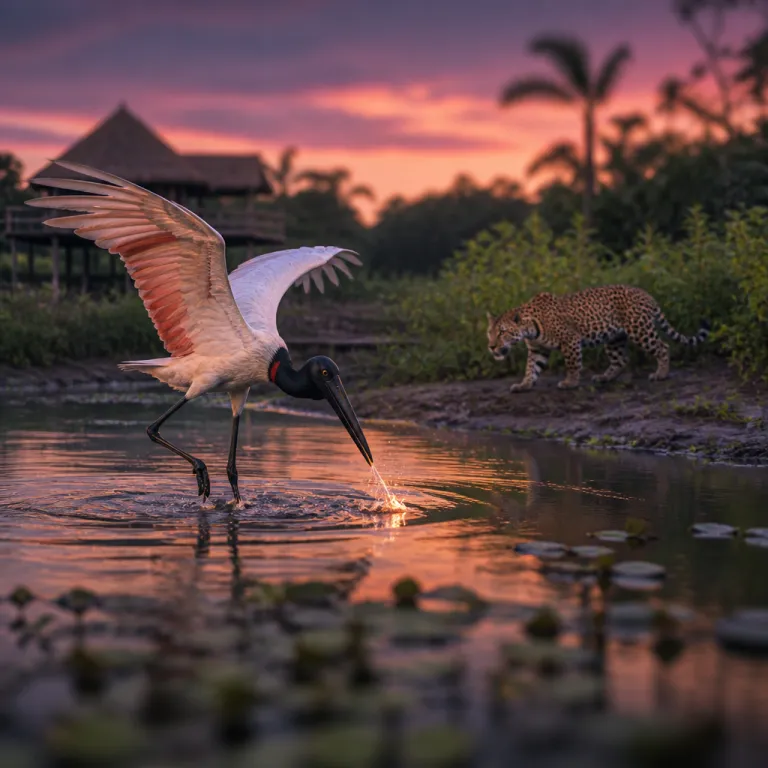
Belize wildlife birdwatching luxury begins in the wetlands
Belize concentrates serious wildlife into a country you can cross in half a day. For travelers seeking belize wildlife birdwatching luxury, the first name on your list should be Crooked Tree Wildlife Sanctuary, a mosaic of lagoons and low forest that feels purpose built for early morning birding. At dawn the air fills with the wingbeats of jabiru storks, the largest flying bird in the Americas, while smaller birds stitch the sky above your boat tour.
From a well run lodge near Crooked Tree, you step straight onto a skiff with a naturalist guide who knows every bird species by silhouette and call. This is where belize wildlife birdwatching luxury shows its real value, because the guide carries a mental list of seasonal movements and will position the boat for the best light on a jabiru or a keel billed toucan. Guided tours rely on simple tools — binoculars, cameras and field guides — yet the experience feels elevated when the lodge team quietly anticipates your needs.
Wear light clothing that dries quickly, since morning mist and spray are part of the charm. Your guide will remind you to bring a refillable water bottle, both for comfort and to keep single use plastic off the macal river and other waterways. Eco focused properties around belize city and Crooked Tree increasingly use camera traps to monitor shy species, turning every guest stay into a small contribution to conservation data.
Forest lodges, jaguar nights and the luxury of proximity
Head inland and belize wildlife birdwatching luxury shifts from open water to dense forest, where sound replaces distance as your main reference. In the northwestern corner of Belize, Chan Chich Lodge sits inside a private reserve on the edge of the basin wildlife corridor, and its night drives are legendary among guests who quietly hope for a jaguar. Here the forest feels close enough to touch, and every rustle in the black understory sharpens your senses.
At Chan Chich, naturalist guides are part of the core lodge équipe rather than outsourced, which means your birding walk, your night safari and your dinner conversation all draw on the same deep expertise. The property uses camera traps along forest trails, and images of jaguars and other species are shared with conservation organizations that monitor the wider cockscomb basin and other protected areas. When you book this kind of lodge, you are paying not only for comfort but for a conservation model that keeps habitat intact.
For solo travelers, that integration of guide and lodge is a quiet form of luxury, because you never feel like an anonymous name on a tour manifest. You can spend the day bird watching along old logging roads, then review your bird species list with a guide who remembers where you saw each red or black flash in the canopy. For a deeper sense of how inland properties balance wildlife access with guest comfort, read our candid take on what Belize’s headline adventures are really like beyond the brochure.
Rivers, ridges and the scarlet macaw corridor
Further south and west, belize wildlife birdwatching luxury follows the rivers and ridges that cut through the Maya Mountains. Along the macal river, properties such as Black Rock Lodge and other rock lodge style retreats use their steep valley setting to frame both forest and sky, so you can watch birds from your breakfast table before stepping into a canoe. The black rock cliffs here create updrafts that raptors and other bird species ride all day.
In the Mountain Pine Ridge, the habitat shifts again, and with it the cast of birds and mammals you might see on a given day. Pine ridge forest feels more open, with granite rock outcrops and clear pools where you can cool off between birding sessions, while guides scan for orange crowned warblers, keel billed toucans and the occasional tapir track. South of here, around Red Bank and the cockscomb basin, the scarlet macaw becomes the star, drawing travelers who will happily plan an entire trip around a few hours with these red and yellow birds.
Many of the lodges in this corridor operate as de facto field stations, hosting researchers who study everything from macaw nesting success to basin wildlife movements. Guests benefit from that science, because your guide’s running commentary on a forest walk is grounded in current data rather than vague anecdotes. If you are weighing when to travel, our guide to why Belize’s green season is a secret window for adventure travelers explains how rainfall patterns shape wildlife activity.
Wetlands, tree lodges and the ethics of wildlife sanctuaries
Belize’s wetlands and lowland forests host a network of wildlife sanctuaries where luxury and ethics intersect in interesting ways. Around Crooked Tree and the nearby Copal Tree area, small tree lodge style properties sit just outside protected zones, giving you fast access to bird watching while keeping the core wildlife sanctuary undisturbed. This buffer model allows lodges to offer guided boat tours at prime time without pushing infrastructure into sensitive habitat.
In the south, Cockscomb Basin Wildlife Sanctuary remains the world’s only jaguar preserve, and nearby lodges have learned that belize wildlife birdwatching luxury depends on restraint as much as access. They support basin wildlife research through fees and partnerships, yet they keep night activities outside the strictest zones, relying on camera trap images and track identification rather than spotlighting every forest trail. Guests still feel the presence of jaguars and other species, but the animals keep the upper hand.
Ethical operators also pay attention to small details that shape your impact over the course of a trip. They encourage you to bring neutral colored clothing rather than bright red pieces that can disturb shy birds, and they provide filtered water so your reusable water bottle becomes standard kit. If you are curious about how these properties adapt when demand spikes, our report on how Belize’s luxury lodges handle peak season breaks down staffing, guiding and conservation strategies.
Planning a solo wildlife trip that feels genuinely luxurious
For a solo explorer, belize wildlife birdwatching luxury is less about marble bathrooms and more about how seamlessly a lodge connects you to the field. Start by deciding which species or habitats matter most to you, whether that is jabiru storks at Crooked Tree, scarlet macaws at Red Bank or keel billed toucans in the foothill forest. Then build a route that links at least one wetland wildlife sanctuary, one river lodge and one forest based rock lodge or tree lodge.
When you compare options, look beyond room photos and focus on guiding depth, group size and how much time you will actually spend outside. A property like Chan Chich or Chich Lodge that employs full time naturalists and runs its own tour program will usually deliver richer birding and wildlife encounters than a place that simply books third party excursions from belize city. Ask for a sample day list of bird species from each lodge, because the way they talk about birds and mammals often reveals more than any marketing copy.
Pack with intent, since the right gear quietly upgrades every day in the field. Bring breathable clothing in muted colors, a good pair of binoculars, a headlamp for pre dawn starts and a sturdy water bottle you can refill at the lodge bar or dining room. As one local guide likes to remind guests, “Wear light clothing. Use insect repellent. Bring waterproof gear.”
FAQ
When is the best time to see jabiru storks in Belize ?
The most reliable period for jabiru stork sightings at Crooked Tree Wildlife Sanctuary runs from November to May, when water levels drop and fish concentrate in shallower lagoons. During this dry season window, guided boat tours at dawn give you the highest chance of seeing multiple birds in a single outing. Outside these months, storks may still be present, but they are more dispersed and harder to find.
Are jaguar sightings common in Belize ?
Jaguars are present across several forest reserves in Belize, yet sightings remain rare because the cats are naturally elusive and mostly nocturnal. Protected areas such as Cockscomb Basin Wildlife Sanctuary and the private reserve around Chan Chich Lodge offer the best odds, especially on carefully run night drives. Even if you do not see a jaguar, tracks, camera trap images and fresh scat often confirm that the animals are moving close to the trails you walk.
What should I bring for a luxury birding trip in Belize ?
For a comfortable yet field ready stay, pack lightweight long sleeve clothing, a wide brimmed hat, quick drying trousers and sturdy walking shoes. Add compact binoculars, a refillable water bottle, insect repellent and a small dry bag to protect your camera or phone during boat tours. Most high end lodges provide rubber boots and basic field gear, but having your own essentials ensures every day runs smoothly.
How do luxury lodges in Belize support wildlife conservation ?
Many of Belize’s leading lodges sit near or within wildlife sanctuaries and contribute a portion of each stay to conservation funds. They host researchers, share camera trap data, support anti poaching patrols and work with local communities to reduce pressure on forests and rivers. When you choose these properties, your booking helps finance habitat protection for jaguars, scarlet macaws and hundreds of other species.
Is Belize a good choice for solo travelers focused on wildlife ?
Belize suits solo wildlife travelers because distances are short, English is widely spoken and lodges are used to hosting independent guests. Small group birding walks and shared boat tours make it easy to join activities without feeling trapped in a large tour structure. With careful lodge selection, you gain both privacy and instant access to expert guides who can tailor each day to your interests.