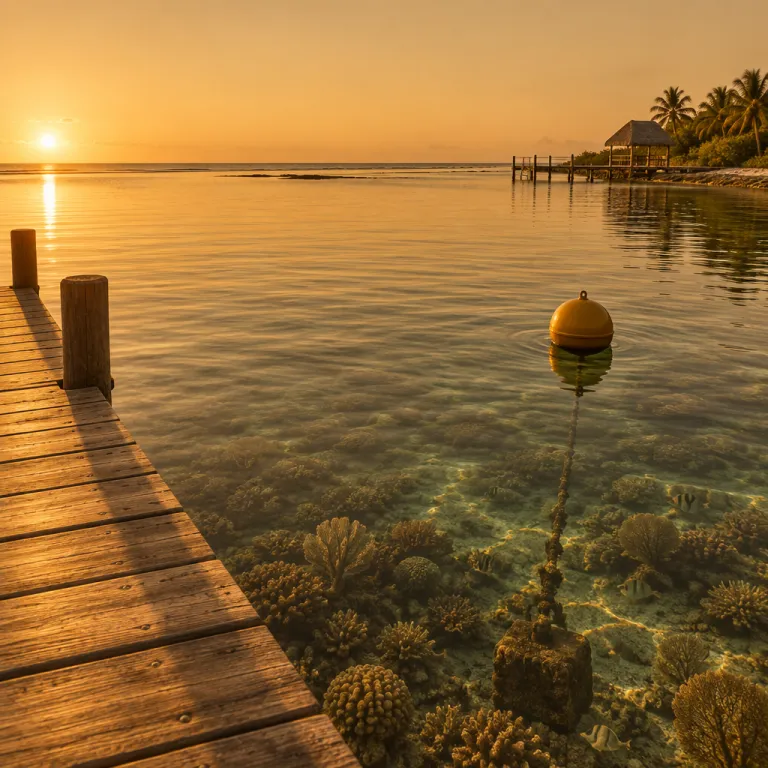
Belize marine protected area diving as a new luxury filter
Belize marine protected area diving is quietly reshaping how high end travelers choose where to sleep. As the government embeds a 30 percent ocean protection target into national policy, backed by a blue loan of roughly 180 million dollars over two decades for marine conservation, the smartest luxury properties are aligning their guest experience with this new reality. For you as a diver, that means the hotel you book now directly influences which reef ecosystems you will be allowed to explore and how healthy those coral reefs will look beneath your fins.
Think of the Belize Barrier Reef not as a single reef but as a living network of marine protected areas, each with its own rules, carrying capacity and conservation priorities. Within this network, every protected area and every marine reserve — from Hol Chan to Gladden Spit to the newer Lighthouse Reef Atoll protections — is managed with zoning that defines which areas are fully protected and which are allowed for regulated diving and snorkeling. When you plan a dive or night dive, your choice of island base, from Ambergris Caye to a remote atoll marine lodge, determines how easily you can reach specific protected areas without long, fuel heavy transfers that undermine conservation goals.
Luxury in Belize now means proximity to healthy coral, abundant fish and ethical access to sharks and sea turtles rather than just a large pool and imported champagne. The best properties understand that belize marine protected area diving is their core asset, so they invest in reef friendly management practices, support marine conservation partners and train their dive équipes to brief guests on protected area etiquette. As a result, staying at a conservation aligned island or caye resort often gives you earlier access to iconic sites such as the Blue Hole natural monument or Half Moon Caye National Park, with smaller groups and better wildlife encounters.
Choosing your atoll base: Turneffe, Lighthouse and Ambergris Caye
For serious belize marine protected area diving, your first strategic decision is which atoll or caye to call home. Turneffe Atoll, Lighthouse Reef Atoll and Ambergris Caye each sit beside different sections of the barrier reef and different clusters of marine reserve zones, so your hotel booking effectively locks in your daily dive menu. A well chosen island base also reduces boat time across open marine areas, which is kinder to both your schedule and the protected reef ecosystems you came to see.
Turneffe Atoll is Belize’s wildest atoll marine environment, ringed by mangroves, patch reefs and deep walls that fall into blue water patrolled by sharks and pelagic fish. Here, the Turneffe Atoll Marine Reserve is divided into zones, with some areas fully protected and others allowed for regulated diving, fly fishing and research, all under a management plan that balances livelihoods with marine conservation. If you stay at a specialist property such as Turneffe Flats, a refined escape on Belize’s wildest atoll, you are sleeping inside the marine reserve itself, which means sunrise dives on nearby coral reefs and unhurried surface intervals watching sea turtles in the shallows.
Lighthouse Reef Atoll, home to the Blue Hole natural monument and Half Moon Caye National Park, has recently seen its protections formalized as part of Belize’s expanded marine protected areas. Staying on a small island within this atoll, or booking a yacht charter that respects marine protected regulations, gives you front row access to Half Moon Caye’s reef walls, moon caye style sand spits and bird colonies without the day trip crowds. Ambergris Caye, by contrast, works best if you want a livelier scene with easy access to Hol Chan Marine Reserve, Shark Ray Alley and a range of national park excursions inland, though you will trade some solitude for restaurants and nightlife.
How new protections change your dive day: access, group size and timing
Belize’s 30 percent protection target is not an abstract conservation slogan ; it is already changing the rhythm of a typical dive day. As more areas shift into fully protected status and new marine reserve zones are added around atolls and cayes, operators must adapt boat routes, group sizes and even the time of day they enter sensitive reef areas. For divers booking in 2027, this means you should expect more structure, more briefings and, in the best cases, more intimate encounters with coral, fish and sharks.
Some sites within Hol Chan Marine Reserve, Gladden Spit and Silk Cayes Marine Reserve and the Lighthouse Reef complex now limit how many divers are allowed in the water at once, especially around cleaning stations used by whale sharks or aggregation points for spawning fish. On certain days, your guide may steer you toward a different section of the Belize Barrier Reef or a less visited caye because a particular protected area is resting, a management tool designed to reduce stress on reef ecosystems. Night dives, which can be magical on healthy coral reefs, are increasingly concentrated in zones where marine protected regulations allow after dark access without disturbing key species, and you can read more about these experiences in our guide to reef after dark adventures in Belize.
For you, the upside is clear ; fewer fins in the water usually mean better visibility, calmer fish behavior and more natural shark encounters. The trade off is that last minute changes are normal in a dynamic protected area network, so choose hotels and dive centers that communicate clearly about marine conservation rules and are transparent about where you will actually dive. When you hear a manager explain why a specific area is off limits that day, you are hearing the 30 percent target in action, not a sales excuse.
Where luxury meets reef recovery: coral projects and conservation led stays
Belize marine protected area diving is only as good as the coral beneath you, which is why serious properties now align themselves with reef restoration and science. Coral bleaching and storm damage have hit parts of the barrier reef hard, yet projects such as Fragments of Hope — which has replanted more than 160,000 corals nationally, including over 86,000 at Laughing Bird Caye alone — show how targeted marine conservation can reverse local declines. When you book a high end island or caye resort that supports these efforts, you are effectively investing in the future quality of your own dives.
Several lodges near Placencia and the southern cayes integrate guest visits to restoration nurseries, where you can see coral fragments growing on underwater trees before they are transplanted back onto damaged reef areas. These experiences turn an abstract marine reserve map into something tactile and personal, especially when you later dive the same protected areas and notice how young coral colonies attract clouds of juvenile fish and cruising sea turtles. For a refined beach base with access to both inner reef ecosystems and offshore marine protected zones, consider one of the elegant beachfront stays in Placencia highlighted in our curated guide to Placencia’s most polished coastal retreats.
Researchers working on the Super Reefs program are now identifying heat resilient coral genotypes, which helps Belize decide which reef areas should receive the strongest protection and restoration funding. As these data feed into national park zoning and marine protected management plans, you will see some dive sites prioritized for low impact tourism while others remain almost entirely off limits. The most forward thinking hotels already brief guests on these distinctions, framing each dive not just as an adventure but as a small part of a long term conservation strategy.
Planning 2027 bookings: practical tips for a conservation aligned dive trip
Booking for 2027 means treating belize marine protected area diving as the organizing principle of your trip, not an add on. Start by deciding which experiences matter most — Blue Hole and Half Moon Caye walls, Turneffe Atoll mangrove channels, Hol Chan’s shark and ray encounters, or seasonal whale sharks off the southern reef — then choose an island or caye base that minimizes transfers to those specific protected areas. This approach respects both your time and the national park level protections that now shape boat traffic across the Belize Barrier Reef.
When comparing hotels, look beyond the spa menu and ask pointed questions about marine conservation and reef friendly management. Does the property operate its own dive center with small groups, or does it outsource to high volume operators who may pressure fragile reef ecosystems around popular sites such as Hol Chan and Shark Ray Alley ? Do they brief guests on marine protected etiquette, support local marine reserve co management organizations and adjust schedules when a protected area is temporarily closed for spawning fish or nesting sea turtles ?
Finally, accept that some iconic areas will feel different in 2027, with stricter rules but richer underwater life. The Blue Hole natural monument may have tighter limits on how many divers are allowed per day, while certain sections of Turneffe Atoll Marine Reserve or Lighthouse Reef Atoll could be zoned as no take sanctuaries where only research and tightly controlled diving occur. For a solo explorer, this is good news ; fewer boats, more sharks and healthier coral reefs usually translate into the kind of quiet, concentrated encounters that stay with you long after you leave the island.
FAQ
How will Belize’s 30 percent marine protection target affect access to the Blue Hole and Half Moon Caye ?
The Blue Hole natural monument and Half Moon Caye National Park already sit within a cluster of marine protected areas at Lighthouse Reef Atoll, and expanded protections mean stricter control of boat numbers and dive group sizes. You should still be able to dive the Blue Hole and the surrounding reef walls, but expect more structured schedules, advance reservations and possibly higher prices that reflect limited daily access. Booking with a lodge or liveaboard that operates within the atoll marine zone can secure more flexible timing while still respecting conservation rules.
Is Ambergris Caye still a good base for divers under the new protections ?
Ambergris Caye remains an excellent base for divers who want easy access to Hol Chan Marine Reserve, Shark Ray Alley and nearby sections of the Belize Barrier Reef, along with restaurants and nightlife. The 30 percent protection target mainly means that certain reef areas around the caye are more tightly zoned, with some zones fully protected and others allowed for regulated diving and snorkeling. Reputable operators on Ambergris Caye already adapt to these rules, so you can expect well briefed dives and continued access to sharks, rays and healthy coral reefs.
Will I still be able to dive with whale sharks in Belize in 2027 ?
Whale shark encounters in Belize are highly seasonal and usually centered around Gladden Spit and Silk Cayes Marine Reserve, where spawning fish attract these giants. Under the expanded marine protected framework, access to whale shark aggregation areas is likely to remain tightly controlled, with limited daily permits and strict rules on approach distances. If this experience is a priority, book well ahead with an operator that has a strong conservation record and be prepared for possible date changes based on wildlife behavior.
How can I tell if a hotel or dive operator is genuinely conservation focused ?
Look for clear evidence of engagement with marine conservation, such as partnerships with local marine reserve co management groups, support for coral restoration projects and transparent explanations of how they adapt to protected area regulations. Serious operators limit group sizes, avoid anchoring on coral, brief guests on reef safe behavior and are honest when a particular area is off limits due to spawning events or management decisions. If a property cannot explain which marine protected areas you will visit or how national park rules affect your dives, consider booking elsewhere.
Are there still uncrowded dive areas in Belize despite the new protections ?
Yes, many sections of Turneffe Atoll, Lighthouse Reef Atoll and the southern cayes remain relatively quiet, especially where small lodges sit inside or beside marine reserve zones. The expanded network of protected areas actually encourages operators to spread pressure across multiple reef ecosystems rather than concentrating everyone at a few famous sites. By choosing a remote island base or a conservation aligned property, you increase your chances of diving pristine coral reefs with only a handful of other divers in the water.