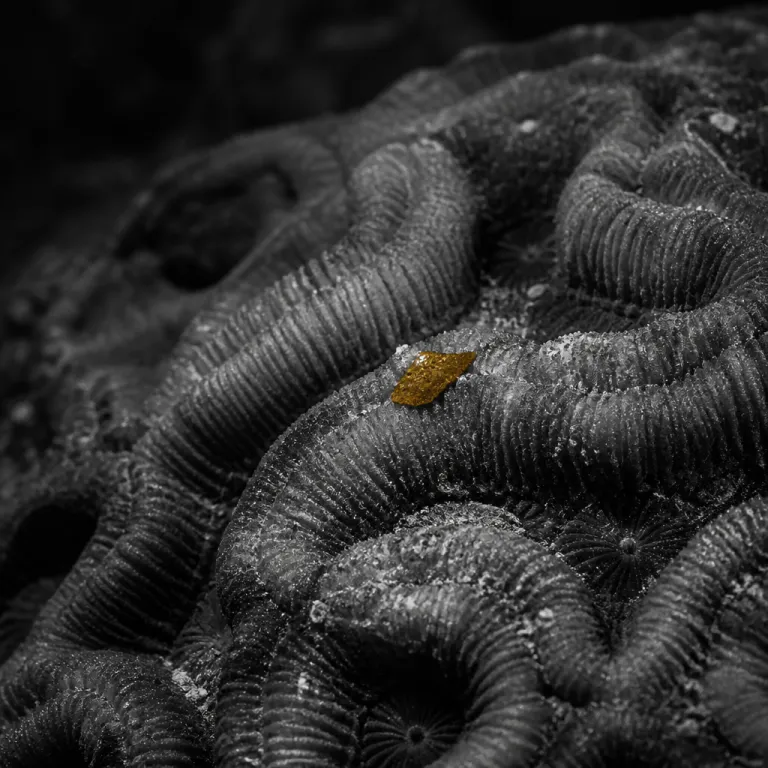
Why Belize’s reef after dark belongs on your luxury itinerary
Belize is one of the few places where a belize night diving reef experience feels as curated as a tasting menu at a Michelin level restaurant. When the last day boats leave the barrier reef and the water flattens to ink, the country’s best reef atoll lodges and private island resort hideaways quietly pivot from sun to moon, offering dives that only a fraction of travelers ever attempt. For independent divers and solo travelers who plan their own travel and hotel bookings, this is where the country’s marine life and hospitality intersect in the most memorable way.
The Belize Barrier Reef, stretching for hundreds of kilometres, shelters three major atoll systems, and each atoll in Belize offers a different style of night diving and day trip logistics. Around Ambergris Caye and San Pedro, luxury properties with serious scuba programs pair twilight dives at Hol Chan Marine Reserve with late return resort dinners, while farther offshore at Lighthouse Reef Atoll the rhythm is dictated by tides, moon cycles and the timing of blue hole expeditions. This is not mass market diving Belize style ; it is small group scuba diving with guides who know every cut in the reef and every channel back to the mooring in the dark.
For many divers, the first descent into black water is the defining experience of their entire scuba life. The beam of your light narrows the world to a single coral head, then the wider reef slowly reveals octopus, hunting tarpon and the silver flash of jacks that only appear at night. Belize’s marine authorities and leading operators frame night dives as both privilege and responsibility, using strict briefings and eco friendly practices to protect fragile dive sites while still delivering the kind of reef atoll drama that keeps experienced divers returning season after season.
Ambergris Caye, Hol Chan and Turneffe: where luxury stays meet serious night diving
Ambergris Caye is Belize’s most developed island, yet the best belize night diving reef experience here still feels intimate when you choose the right resort. From San Pedro, operators such as Sea Dog Dive Centre run evening dives to Hol Chan and nearby sites like Tuffy, timing departures so you clear the reef cut before full dark and return resort side in time for a late grilled lobster or a quiet poolside drink. High end properties on Ambergris Caye that prioritise scuba often bundle these dives with private boat transfers, gear valet service and concierge arranged day trip extensions to Turneffe Atoll for more advanced divers.
Hol Chan Marine Reserve is shallow, protected and ideal for a first night dive, which makes it a strong choice if your scuba diving certification is new or a little rusty. Guides here know that “What marine life can be seen during night dives? Octopuses, lobsters, squids, and sleeping parrotfish.” and they use that predictability to build confidence before you graduate to deeper dive sites on the outer barrier reef. Many solo travelers pair a few days on Ambergris Caye with inland birding or jungle lodges, and the planning is easier when you understand seasonal wildlife patterns, so use resources such as the Belize birding calendar on MyBelizeStay to align reef nights with scarlet macaw mornings.
Turneffe Atoll, reachable by day boat or liveaboard, offers a different flavour of night diving Belize enthusiasts rave about. Here, the reef wall drops steeply, and night dives can reveal larger marine life such as hunting moray eels, eagle rays and the occasional passing reef shark, all framed by the glow of your torch against black water. Luxury travelers who prefer to avoid liveaboards like the Belize Aggressor often opt for high end atoll Belize lodges that run scheduled night dives but still let you sleep in a spacious villa rather than a cabin.
Lighthouse Reef, the Great Blue Hole and coral spawning nights
Lighthouse Reef Atoll is where Belize’s reef story becomes legend, and where a belize night diving reef experience feels almost otherworldly. By day, boats focus on the Great Blue Hole and Half Moon Caye, but after sunset the same lighthouse reef walls host a different cast of marine life, from basket stars unfurling like lace to bioluminescent plankton swirling in your wake. The atoll’s remoteness means fewer boats, darker skies and a sense of isolation that luxury travelers usually only find at the most exclusive island resort properties.
Many divers arrive at Lighthouse Reef chasing the postcard image of the blue hole, yet they leave talking about night dives on the outer wall and the surreal quiet of a surface interval under a full moon. Around Half Moon Caye and nearby moon caye shallows, guides sometimes schedule night dives to coincide with coral mass spawning events that occur several days after the full moon, when the water fills with drifting pink bundles and marine life feeds in a frenzy. Scientific teams studying coral DNA in Belize, such as those highlighted in MyBelizeStay’s coverage of scientists converging on Placencia, use these same reef atoll windows to collect data, and serious divers often plan travel dates to overlap with these natural spectacles.
Liveaboard vessels like the Belize Aggressor and high end eco lodges at Lighthouse Reef both offer structured night diving programs with strict safety protocols. Briefings cover navigation around shallow coral heads, the importance of dive insurance for remote atoll operations and the etiquette of sharing small sites with other divers in the dark. If you prefer to avoid a full liveaboard, look for packages that combine day trips to the Great Blue Hole with at least one or two night dives on the outer barrier reef, then return resort side by late evening for a hot shower and a stargazing session on your private deck.
Placencia, bioluminescent lagoons and southern reef luxury
On Belize’s southern coast, Placencia has quietly become the base for travelers who want both a belize night diving reef experience and access to bioluminescent lagoons. High calibre properties in and around the village partner with operators such as Splash Dive Center, which runs night dives at Laughing Bird Caye and nearby barrier reef sites with small groups and long bottom times. The same resort concierges can arrange separate evening boat trips into sheltered lagoons where dinoflagellates light up the water with every paddle stroke, creating a different kind of marine life encounter that does not require scuba.
Hamanasi Dive Resort, farther north in Hopkins, blends reef and rainforest, offering night dives on the barrier reef followed by quiet mornings in the jungle canopy. Their guides emphasise that “Average night dive duration” is typically “45 minutes” and that “Number of nocturnal marine species observed” can reach “50 species”, which aligns with what experienced divers report across southern Belize. For luxury travelers, the appeal lies in returning from night dives to a room where your gear is rinsed for you, your reusable water bottles are refilled and a late night snack waits on the veranda while the sounds of the forest replace the hum of the boat engine.
Bioluminescent lagoon outings are usually timed around darker nights for maximum glow, while reef night dives sometimes work better with a little moonlight on the water, so smart travelers let their resort équipe build a combined schedule. Many guests pair a barrier reef night dive with a next day trip to inland waterfalls or cacao farms, using the coast as a flexible base. If you are planning independently, read MyBelizeStay’s guide to five questions to ask before booking a Belize resort with reef access, which explains how transfer times, tide windows and dive sites affect what is realistically possible in a short stay.
How to choose the right luxury base for Belize night dives
For a belize night diving reef experience to feel seamless rather than stressful, your choice of resort matters as much as your choice of dive sites. Look for properties that treat scuba as a core activity, not an add on, with on site dive centres, dedicated gear rooms and staff qualifiés to advise on everything from dive insurance to certification refreshers. A strong operation will ask about your recent dives, your comfort with night dives and whether you prefer barrier reef, atoll or caye based departures before suggesting an itinerary.
Solo travelers often prefer smaller luxury properties where the dive team quickly learns their preferences, from maximum depth to whether they like to linger over macro marine life or chase wide angle scenes. Ask specifically about night diving options at Hol Chan, Turneffe Atoll, Lighthouse Reef and southern sites near Laughing Bird Caye, and confirm whether boats carry spare lights, oxygen and clear protocols for navigating reef channels after dark. Some high end resorts coordinate with liveaboards like the Belize Aggressor for shared day trips to the Great Blue Hole while keeping their own guests on private boats for more intimate night dives closer to home.
Whichever region you choose, build in at least one rest day between intense dives to enjoy the property itself, from spa treatments to stargazing sessions with in house naturalists who can explain lunar cycles, tides and how they shape marine behaviour. Evening programming at the best Belize resorts often includes guided shoreline walks, fireside storytelling about local reef history and telescope sessions that turn a simple night on the deck into an extension of your underwater experience. When you finally return resort side after your last night dive, rinsed of salt and wrapped in a robe, the memory that lingers is not just the reef at night, but how gracefully your hotel stitched every element of the adventure together.
FAQ
What certification do I need for night diving in Belize ?
Most operators in Belize require divers to hold at least an Open Water scuba diving certification and to have logged recent dives before joining night dives. Some resort based dive centres strongly recommend or require an Advanced Open Water or a specific night diving specialty, especially for deeper barrier reef or atoll Belize sites. If you are newly certified, choose shallower locations such as Hol Chan Marine Reserve and ask your resort to arrange a refresher day dive before your first descent after dark.
Are night dives in Belize suitable for beginners ?
Night dives can be suitable for relatively new divers when they are conducted at calm, shallow sites with experienced guides and small groups. As the dataset notes, “Are night dives suitable for beginners? Yes, with proper guidance and certification.” and Belize’s marine reserves around Ambergris Caye and Placencia are well set up for this. Be honest about your comfort level, stay close to your guide and start with one conservative dive before committing to more challenging reef atoll walls.
When is bioluminescence best seen in Belize ?
Bioluminescent lagoon tours near Placencia and other southern areas operate most of the year, but the intensity of the glow varies with moon phase and water conditions. Operators generally aim for the darkest nights, avoiding bright full moon periods so that the dinoflagellates stand out more clearly in the water. For reef based bioluminescence during night dives, guides will often shield their lights briefly so you can see the sparkles around your fins, especially on calm nights with minimal current.
What marine life can I expect to see on Belize night dives ?
Belize’s reefs transform after dark, with nocturnal marine life emerging from crevices and sand flats. Divers commonly see octopus, lobsters, squids, sleeping parrotfish, basket stars, hunting tarpon and various crustaceans that remain hidden during the day. On deeper barrier reef and lighthouse reef walls, you may also encounter moray eels on the hunt, rays cruising the sand and the occasional reef shark passing through the edge of your light beam.
Do I need special insurance for a belize night diving reef experience ?
Standard travel insurance policies often exclude scuba diving beyond certain depths or in specific conditions, so dedicated dive insurance is strongly recommended for any serious diving Belize itinerary. Night dives, remote atoll locations and blue hole excursions can all involve additional risk and higher evacuation costs if something goes wrong. Before you book your resort or liveaboard, confirm that your policy covers night diving, atoll Belize operations and the maximum depths you plan to reach.