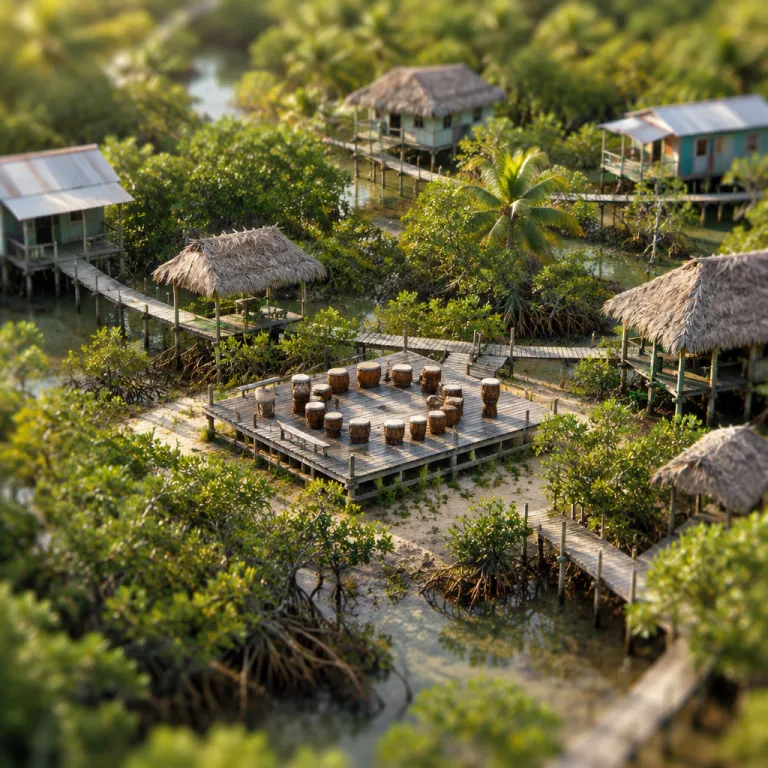
Belize UNESCO cultural heritage moves beyond the reef narrative
Belize UNESCO cultural heritage has long been framed by the sea. Luxury travelers usually arrive thinking only about the reef and the famous Blue Hole, then realise the country’s living heritage runs just as deep on land. That shift matters for where you book your room, how you plan each day and which heritage sites you actually experience.
The Belize Barrier Reef Reserve System, a UNESCO World Heritage Site, anchors the country’s global reputation. This reef system of coral atolls, marine reserve zones and protected areas is often the first unesco heritage story guests hear, yet it is only half of Belize’s heritage natural narrative. When you start pairing a morning on the barrier reef with an evening of drumming, language and food in a coastal community, belize UNESCO cultural heritage becomes a layered itinerary rather than a single marine excursion.
For couples used to private island stays, the idea of adding a cultural heritage site inland can feel like a compromise. In reality, the most memorable trips balance marine conservation experiences with encounters in villages where living heritage is part of daily life, not a staged show. Choosing hotels that treat culture, education and conservation as one integrated system will shape the long term value of your trip, for you and for the communities hosting you.
Krismos Bram and Sambai in Gales Point: Belize’s new UNESCO drumbeat
Krismos Bram and Sambai now sit at the heart of belize UNESCO cultural heritage. The UNESCO listing recognises a Christmas time Kriol celebration in Gales Point Manatee, where Brokdong music, Gombay and Sambai drumming, and house to house visits culminate in a circle dance rooted in African courtship and harvest traditions. For luxury travelers, this is not a show added for tourism but a living heritage expression that you are invited to witness with care.
UNESCO’s evaluation describes Krismos Bram as a living expression of Afro Creole identity transmitted through participatory performance rather than formal instruction, which places it alongside Garifuna language, music and dance as a second cultural heritage site on the global stage. That means belize UNESCO cultural heritage now officially spans both marine and cultural domains, from the barrier reef reserve system offshore to the Sambai drum circle on the mainland. When you plan a stay near Gales Point, you are positioning yourself between a marine reserve and a heritage site that both carry unesco heritage recognition.
High end jungle and lagoon lodges along the Manatee Highway are already rethinking guest experiences in light of this latest news from UNESCO. Some are working with the Gales Point community to design small group visits that respect the rhythm of the celebration, while others are building year round programming around Kriol history, food and music. If you are pairing this with Maya archaeological excursions in Cayo, read this guide on how Maya archaeology is reshaping the guest experience at Belize’s jungle lodges for a deeper sense of how culture and education can frame your entire route.
From reef to drum circle: choosing where to stay for culture forward luxury
Belize UNESCO cultural heritage now gives you a clear axis for choosing hotels. One end is the reef, the coral walls and the Blue Hole inside the Belize Barrier Reef Reserve System, while the other is the drumbeat of Krismos Bram in Gales Point and the Garifuna towns further south. The most rewarding itineraries move along this barrier between marine and cultural worlds, using carefully chosen properties as staging points.
On the coast near Belize City and Dangriga, look for properties that treat the reef reserve and nearby heritage sites as equal pillars of their guest experience. A strong concierge team will know which marine reserve operators prioritise marine conservation and which community leaders in Gales Point or Hopkins are comfortable hosting small groups for music, food and storytelling. When a hotel’s social media highlights both coral restoration dives and Sambai rehearsals, you are seeing belize UNESCO cultural heritage translated into a coherent hospitality philosophy.
Further inland, luxury river lodges in the Belize District and Cayo can anchor day trips that connect archaeological sites, Kriol villages and Garifuna communities with the reef system offshore. Before you lock in a coastal resort, use this detailed checklist of five questions to ask before booking a Belize resort to understand reef access, transfer time and how well the property integrates culture into its programming. For a curated overview of where culture, heritage and premium comfort intersect, our guide to cultural hotspots for discerning travelers on mybelizestay.com maps specific hotels that already align with this new unesco heritage landscape.
Gales Point, Garifuna coasts and Maya sites: a new cultural corridor
Gales Point Manatee now anchors a cultural corridor that runs from the Belize Barrier coast through Garifuna towns to the Maya mountains. In this corridor, belize UNESCO cultural heritage is not confined to a single heritage site but expressed in language, food, music and ritual across multiple communities. For couples, that opens the door to itineraries where each day layers reef, history and culture in different proportions.
Start with Gales Point, where the lagoon, mangroves and nearby marine reserve areas form a natural heritage backdrop to Krismos Bram. Here, the community’s long term relationship with the sea, manatees and the reef system intersects with Kriol culture, creating a rare blend of marine and cultural heritage in one compact site. South along the coast, Garifuna communities such as Hopkins and Dangriga add another unesco heritage thread through drumming, language and dance that many hotels now weave into small scale, education focused experiences.
Head inland and you reach Maya archaeological sites in Cayo and Toledo, where luxury jungle lodges are increasingly positioning archaeology, conservation and community partnerships as core to their identity. These properties often support protected areas and reserve system projects while curating visits to heritage sites that avoid crowds and respect ongoing research. When you connect these stops thoughtfully, belize UNESCO cultural heritage becomes a continuous narrative from reef to ruin to drum circle rather than a series of disconnected excursions.
Designing a sustainable, heritage led Belize itinerary
Planning around belize UNESCO cultural heritage means thinking in systems, not in isolated tours. The reef, the Belize Barrier Reef Reserve System, the Blue Hole and the coastal marine reserve network form one system of natural heritage, while Krismos Bram, Garifuna traditions and Maya archaeology form another system of cultural heritage. Your role as a luxury traveler is to move through both systems in a way that supports conservation, community and the future of these heritage sites.
Choose hotels that are transparent about their partnerships with local guides, reef reserve managers and cultural leaders in sites Belize wide. Ask how your stay contributes to marine conservation, whether through support for coral nurseries, education programmes or monitoring within protected areas, and how it also supports living heritage through fair payments for performances, food and storytelling. When properties can articulate a long term strategy that links tourism revenue to both marine and cultural conservation, you know your booking is aligned with the broader unesco heritage framework.
Finally, pay attention to how you share your trip, because social media now shapes expectations around belize UNESCO cultural heritage as much as official listings. Highlight the community hosts, the quiet moments in Gales Point and the context behind each heritage site, not only the reef shots and the Blue Hole flyovers. Done thoughtfully, your posts become part of a wider education effort that keeps Belize’s culture, history and living heritage at the centre of the story, where they belong.
FAQ
What makes Krismos Bram and Sambai part of UNESCO heritage in Belize ?
Krismos Bram and Sambai are recognised as part of belize UNESCO cultural heritage because they represent a living expression of Afro Creole identity in Gales Point Manatee. The celebration combines Brokdong music, Gombay and Sambai drumming, house to house visits and a circle dance rooted in African courtship and harvest traditions. UNESCO highlighted that this cultural heritage is transmitted through participatory performance within the community rather than through formal education systems.
How can luxury travelers experience Krismos Bram respectfully ?
Luxury travelers should work through hotels or guides who have established relationships with the Gales Point community. Small group visits, clear expectations about photography and social media, and fair compensation for hosts are essential to keeping this living heritage sustainable. Plan your day so that the focus is on listening, learning and supporting the community’s own rhythm rather than turning the event into a performance staged for tourism.
Can I combine reef experiences with cultural heritage in one trip ?
Yes, Belize is compact enough that you can pair the Belize Barrier Reef Reserve System with Gales Point, Garifuna towns and Maya archaeological sites in a single itinerary. Many premium hotels now design packages that link marine reserve excursions, coral focused education and visits to heritage sites in one coherent route. This approach lets you experience both natural heritage and cultural heritage while supporting conservation and community projects across multiple protected areas.
Which regions are best for culture focused luxury stays in Belize ?
For belize UNESCO cultural heritage, look first at the Belize District around Gales Point, the Garifuna coast near Hopkins and Dangriga, and the Cayo District for Maya archaeology. Each region offers high end lodges that integrate culture, history and conservation into their guest experience rather than treating them as add on tours. When you move between these regions and the reef, you trace a cultural corridor that reflects the full depth of Belize’s heritage sites.
How does choosing the right hotel support Belize’s heritage and conservation ?
Hotels that prioritise partnerships with reef reserve managers, cultural leaders and archaeological site stewards help channel tourism revenue into long term conservation and community projects. By booking these properties, you support marine conservation in the reef system, protection of natural heritage in coastal and inland protected areas, and the safeguarding of living heritage in villages like Gales Point. Asking direct questions about these commitments before you reserve is one of the most effective ways to align your stay with the future of belize UNESCO cultural heritage.