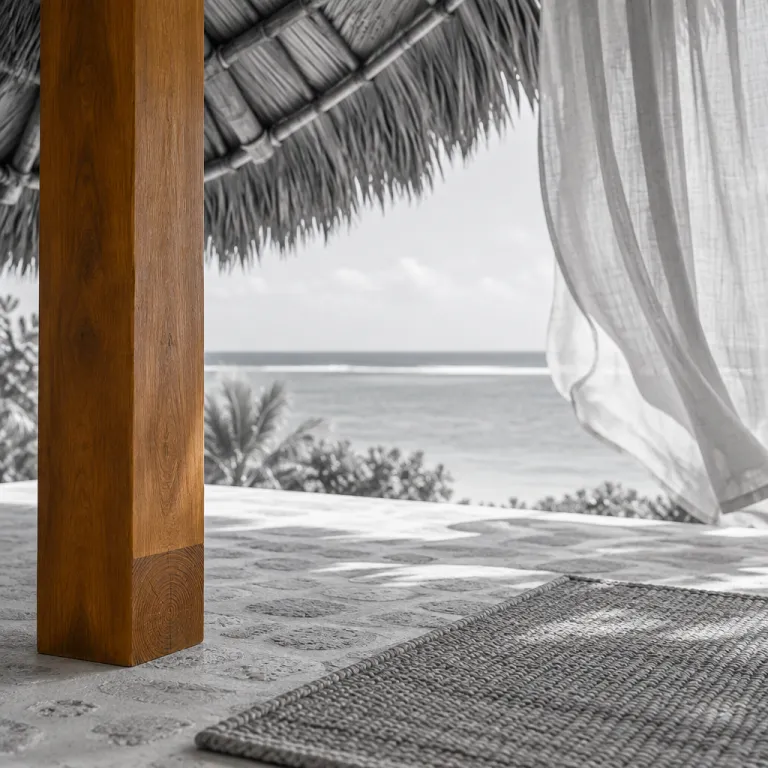
Belize lodge architecture design from reef to rainforest
Belize lodge architecture design begins with a simple premise: the building must belong to its landscape. Along the Macal River near San Ignacio in the Cayo District, architects orient every veranda to catch the prevailing breeze and frame a layered view of the Belize rainforest. On Ambergris Caye and the outer caye chain, the same design logic shifts toward the barrier reef and the reef breeze that cools open air decks above the water.
Across the country, the most compelling lodge and resort projects use Belizean hardwoods such as mahogany, Santa Maria and ironwood as primary structure rather than decorative trim. This approach to design turns each lodge into a long term project that will weather with dignity, because hardwood posts silver in the sun while still carrying hurricane grade loads. When you stay Belize for a week or more, you start to notice how each property offers a different relationship with the river, the creek, the jungle or the island horizon.
Inland, properties like The Lodge at Chaa Creek in the Cayo District pioneered a form of luxury eco hospitality that feels rooted in natural history rather than imported trends. The original Chaa Creek buildings sit above the Macal River on raised hardwood platforms, with thatched roofs that manage heat and humidity through passive ventilation. This kind of eco resort architecture means your first experience each morning is the sound of the rainforest and the feel of the breeze, not the hum of an air conditioning unit.
On the coast and the cayes, Belizean resort architecture responds to salt air, stronger winds and the drama of the barrier reef. A private island retreat near southern Belize might use the same cohune palm thatch as a jungle lodge, yet the roof pitch, overhangs and open air circulation paths are tuned to the reef breeze and the salt laden atmosphere. The result is a spectrum of luxury experiences, from riverbank suites to overwater pavilions, all united by a commitment to nature, climate responsive design and a strong sense of place.
Hardwood, thatch and the craft of climate responsive comfort
Belize lodge architecture design relies on materials that local builders understand intimately, especially hardwood and thatch. Mahogany beams, Santa Maria floorboards and ironwood posts give each lodge and resort a structural backbone that resists moisture, insects and time. When you walk into a river or creek facing suite, the cool underfoot sensation comes from dense hardwood that has been air dried, not engineered laminate.
Cohune palm thatch is the other quiet hero of Belize rainforest and island architecture. A well laid thatch roof can be up to 30 centimetres thick, which creates natural insulation, softens tropical downpours and allows hot air to escape through micro gaps while keeping interiors dry. Guests often describe the experience of sleeping under thatch as both acoustically soothing and thermally stable, because the roof filters sound from the jungle or the barrier reef surf into a gentle backdrop.
Open air planning is where climate responsive design becomes most visible to travellers choosing where to stay Belize. Many luxury eco properties in the Cayo District and southern Belize use high clerestory openings, louvered hardwood shutters and deep verandas to move air without mechanical systems. Instead of sealed glass, you find screened walls that frame the view of a nature reserve or the Macal River, turning every breeze into a design feature.
Architectural teams working on each new project will often begin with wind and sun studies rather than a fixed floor plan. On Ambergris Caye and other cayes, this means aligning suites so that the reef breeze crosses the bed at night, while shading west facing walls that absorb afternoon heat. For couples seeking luxury and spa wellness amenities, this climate literacy translates into outdoor showers, plunge pools and wellness decks that feel comfortable at midday without aggressive air conditioning, a topic explored in more depth in our guide to architectural marvels in Belizean luxury lodging.
Maya roots, colonial echoes and modern lodge character
The most interesting Belize lodge architecture design does not erase history; it edits it. Maya building traditions, with their raised platforms, cross ventilation and deep overhangs, appear in modern jungle lodges as elevated hardwood decks and broad eaves that protect against driving rain. In the Cayo District and around San Ignacio, you see this lineage in how suites step up from the forest floor, preserving natural drainage patterns and the integrity of the nature reserve below.
Colonial era timber houses contribute another layer to the design language of today’s lodge and resort projects. Tall ceilings, wraparound verandas and shuttered windows were early experiments in open air living that still influence how architects frame the view of a river, a creek or the Belize rainforest canopy. When a lodge offers a long gallery for dining that faces the Macal River, it is quietly referencing both plantation houses and Maya plazas, yet translating them into a contemporary luxury eco context.
Chaa Creek is often cited as a benchmark because its earliest structures combined these influences with a clear eco resort philosophy. The original lodge rooms used simple hardwood frames, thatch and screened walls, while later suites introduced more pronounced spa wellness features without abandoning the open air ethos. Across Belize, similar evolution is visible as properties add plunge pools, wellness decks and refined dining pavilions that still sit lightly on the land.
On Ambergris Caye and other cayes, the colonial echo appears in timber framed beach houses that now serve as private island villas. Here, Belize lodge architecture design balances nostalgia with engineering, using hurricane straps, reinforced joints and carefully calculated roof pitches to meet modern codes. For travellers comparing real estate style villas to classic lodges, the key difference lies in how deeply each project will engage with natural history, from reef ecology to rainforest conservation, rather than in the thread count alone.
From reef breeze to river mist: engineering luxury in wild settings
Building luxury in Belize’s jungle, river valleys and cayes is an engineering challenge as much as an aesthetic one. Every serious Belize lodge architecture design project will confront hurricanes, high humidity, salt air and shifting riverbanks before the first guest arrives. The question is not whether a resort can look good on opening day, but how it will age gracefully in a nature reserve or on a private island exposed to the barrier reef’s weather systems.
On the coast and islands, structural engineers work closely with architects to anchor hardwood frames to concrete or limestone foundations that resist storm surge. Roofs that appear light and traditional, such as cohune thatch or timber shingles, often conceal hurricane rated fastening systems and carefully calculated overhangs that manage uplift forces. When you stand on an open air deck facing the barrier reef, the effortless experience of the breeze is the result of hundreds of technical decisions hidden in the structure.
Inland, along the Macal River and smaller creek systems, the priority shifts to erosion control and flood resilience. Lodges in the Belize rainforest elevate walkways and suites on piers, often 1 to 2 metres above typical high water, allowing flood pulses to move naturally beneath while protecting both guests and tree roots. This approach lets a lodge offer close contact with nature and wildlife, yet maintain safety and comfort during heavy rains that can transform a quiet river into a powerful force overnight.
Sustainability adds another layer of complexity, because importing large quantities of glass and steel would increase both cost and carbon footprint. Many luxury eco properties choose local hardwoods, limestone and clay tiles instead, reducing transport emissions and supporting regional economies linked to responsible forestry and quarrying. For travellers, this means the line between high end hospitality and thoughtful environmental practice becomes part of the overall experience, especially when you read our analysis of how refined booking pipelines shape culinary and design choices in Belize at this in depth guide to elevated Belize travel.
How design choices shape your stay: wellness, dining and sense of place
For couples planning where to stay Belize, the nuances of Belize lodge architecture design translate directly into wellness, privacy and romance. A riverfront suite in the Cayo District with open air walls and a deep veranda will feel very different from a sealed, air conditioned room in town. The former invites the sounds of the Belize rainforest, the scent of wet earth after rain and the cool of the Macal River breeze into every moment of your stay.
Wellness programming now extends beyond spa wellness menus into the architecture itself. Many luxury eco lodges design yoga decks that float above a creek or face the barrier reef, using hardwood platforms and thatched roofs to create naturally ventilated sanctuaries. When a lodge offers morning classes with a view of a nature reserve or the open sea, the building becomes an active partner in your wellness project rather than a neutral backdrop.
Dining spaces reveal another layer of intent, because they choreograph how you experience nature and social life. Riverbank restaurants in the Belize rainforest often use split level terraces so that some tables sit closer to the water, while others enjoy a broader view of the jungle canopy. On Ambergris Caye and other cayes, beachfront dining platforms are angled to catch the reef breeze and frame the barrier reef line, turning each meal into a quiet lesson in natural history and coastal geography.
As new projects emerge in southern Belize and on lesser known cayes, each project will test how far luxury and eco principles can align without slipping into generic resort formulas. Some properties experiment with real estate style ownership models, where villas function as both private homes and lodge inventory, yet still rely on local hardwoods, thatch and open air plans to maintain a sense of Belizean place. For travellers, the most rewarding choice is often the lodge that treats architecture as a living conversation with river, reef and jungle, rather than a fixed style imported from elsewhere.
FAQ
How does Belize’s climate influence lodge architecture design ?
Belize’s hot, humid climate and strong coastal breezes push architects toward open air layouts, deep verandas and high ceilings that promote natural ventilation. Thatch roofs, hardwood shutters and screened walls help manage heat and insects without relying solely on air conditioning. This climate responsive approach creates quieter, more sensory stays, especially in jungle and river settings.
What materials should I look for in a high quality Belize lodge ?
Belizean hardwoods such as mahogany, Santa Maria and ironwood signal durability and structural integrity when used for floors, beams and posts. Cohune palm thatch, local limestone and clay tiles indicate a commitment to local sourcing and better thermal performance. When these materials are combined with careful siting and good cross ventilation, they usually point to thoughtful, long lasting design.
Are open air rooms comfortable during the rainy season ?
Well designed open air rooms remain comfortable because deep roof overhangs, raised decks and careful orientation keep most wind driven rain out. Quality lodges also use dense thatch, proper flashing and elevated walkways to manage moisture and runoff. You still hear the rain and feel the cooler air, but you stay dry and protected.
What is the difference between a jungle lodge and a coastal resort in Belize ?
Jungle lodges in the Cayo District or southern Belize usually sit along rivers or within rainforest, prioritising wildlife, hiking and cultural excursions. Coastal resorts on Ambergris Caye or other cayes focus more on reef access, sailing and beach time. Architecturally, jungle properties lean into raised platforms and canopy views, while coastal ones open toward the barrier reef and prevailing sea breezes.
How can I tell if a Belize lodge is genuinely eco focused ?
Genuinely eco focused lodges use local materials, minimise land clearing and integrate with existing topography rather than reshaping it. They often support nearby nature reserves, invest in wastewater treatment and limit unnecessary air conditioning through smart design. Transparent information about energy, water and conservation partnerships is usually a reliable indicator of serious commitment.