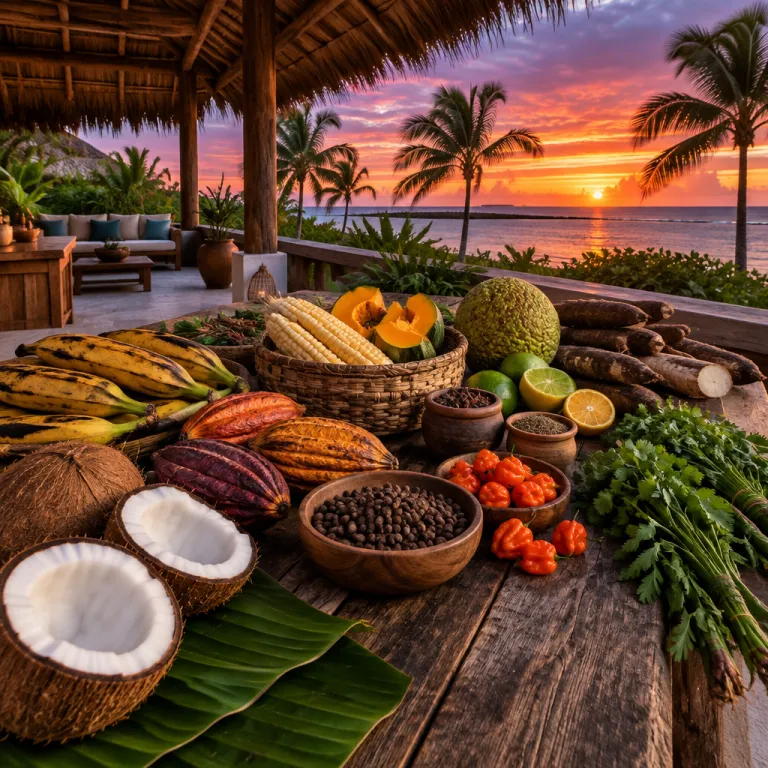
Why belize local cuisine ingredients matter when you choose a luxury stay
Belize sits between the Caribbean Sea and the border with Mexico, and that geography shapes every plate you will be served in an upscale hotel. In luxury properties from Belize City to the jungle lodges of Cayo and the reef facing retreats on Ambergris Caye, chefs now build menus around belize local cuisine ingredients rather than importing anonymous produce from far away. This shift means your choice of hotel directly influences how deeply you taste belizean culture through food.
For premium family travelers, the promise is simple yet powerful. Children can try a traditional belizean food such as stew chicken with rice and beans while parents explore refined versions of street food classics like conch fritters or meat pies paired with a crisp local beer or chilled lime juice cocktail. The same belize food story plays out at breakfast with fry jacks and johnny cakes, at poolside grills with grilled chicken and hot sauce, and at candlelit dinners where hudut or cacao rich desserts anchor tasting menus.
Belizean cuisine is defined by a matrix of influences that luxury chefs now treat with respect and precision. Maya farmers still grow corn and beans in the interior, Garifuna communities along the coast keep hudut and coconut rich dishes alive, while Creole cooks in city belize refine rice beans and meat pies that have become national staples. When you book a high end property through a curated platform, you are effectively choosing which of these foods belize narratives your family will encounter first.
From maya cacao to coconut milk: the pantry behind elevated resort menus
The most ambitious hotel kitchens in belize start their menus in the cacao groves of the Cayo District, where maya farmers cultivate heirloom varieties that rarely leave the country. At several jungle retreats, chefs roast and grind these beans on site, turning them into sauces for game, into desserts that rival the best city patisseries and into ceremonial drinks that connect guests to ancient maya rituals. When you see a tasting menu that pairs slow braised chicken with a bitter cacao sauce and a side of corn tortillas, you are tasting belizean cuisine at its most rooted.
On the coast and islands, coconut and coconut milk form the backbone of many luxury dishes. A refined hudut might arrive as reef fish gently poached in coconut milk, served with artfully plated mashed plantain and a drizzle of bright lime juice, while another plate might reinterpret rice and beans as a coconut infused risotto style dish. Families who usually meet coconut only in desserts suddenly see how this ingredient shapes both everyday belizean food and the most polished resort cuisine.
Even the most casual poolside lunch can become a lesson in belize local cuisine ingredients. Conch fritters appear as crisp bites with a trio of house made hot sauce options, each one echoing the Marie Sharp’s habanero legacy that runs through every level of belizean food culture. For a deeper dive into how resort kitchens tell this story from stew chicken to lobster Thermidor and cacao rituals, read the in depth feature on how belizean resort kitchens narrate the country through food.
Heat, cohune and hudut: ingredients that separate belize from a generic Caribbean cruise stop
Many travelers first meet belize as a brief Caribbean cruise port, but the ingredients that define the country’s cuisine reward a longer stay in a carefully chosen hotel. Habanero peppers, especially in the form of Marie Sharp’s hot sauce, season everything from street food tacos to refined ceviche, and luxury chefs use that same heat with surgical precision. A few drops might brighten a coconut milk based hudut, while a more assertive sauce could cut through the richness of fried chicken or conch fritters.
Then there is the cohune palm, whose nut, oil and heart quietly underpin both home kitchens and high end menus. In remote jungle lodges where the nearest market is a boat ride away, cohune oil often replaces imported fats, giving rice beans and stewed beans a subtle, nutty depth that families remember long after the trip. Some chefs even finish a grilled meat dish with a cohune oil drizzle, turning a simple plate of chicken and corn tortillas into a signature expression of foods belize.
Garifuna hudut deserves special attention for travelers who care about culture as much as comfort. This traditional dish of fish simmered in coconut milk and served with mashed plantain links coastal villages to white tablecloth dining rooms, where ACF certified chefs now apply classical techniques without stripping away identity. The national program that certified the first professional chef cohort, detailed in the article on Belize’s turning point for Caribbean gastronomy, ensures that the same respect for hudut and other staples reaches every serious hotel kitchen.
City belize to ambergris caye: where premium families should book for serious food
Choosing between Belize City, San Pedro and Ambergris Caye is not only about beaches or flight schedules ; it is about which pantry you want at your doorstep. In Belize City, upscale hotels lean into Creole and mestizo traditions, serving rice and beans with stew chicken, meat pies at breakfast and johnny cakes alongside strong coffee for business travelers and families in transit. The city’s proximity to Mexico also means more corn tortillas, street food style tacos and a steady flow of regional ingredients that keep menus lively.
San Pedro on Ambergris Caye offers a different rhythm, where Caribbean seafood and island life shape every meal. Here, luxury resorts plate conch fritters with citrusy lime juice aioli, grill chicken over coconut husk charcoal and send out fry jacks stuffed with beans and cheese as a playful nod to mainland breakfasts. Families can walk from polished hotel dining rooms to beach shacks that serve belize food classics, then return to air conditioned suites without sacrificing authenticity.
For travelers who want both jungle and sea, some properties now design itineraries that move you from inland cacao farms to reef facing villas in a single trip. These stays often include wellness focused experiences that still keep belize local cuisine ingredients at the center, such as river float retreats where plant based menus rely on corn, beans, coconut and seasonal vegetables. To see how this looks in practice, explore the curated guide to a Belize wellness retreat that blends jungle silence with thoughtful dining.
How luxury hotel kitchens source and serve belize local cuisine ingredients
Behind every polished plate of belizean cuisine in a five star dining room lies a complex supply chain that most guests never see. Remote jungle lodges often rely on their own kitchen gardens for herbs, corn and seasonal vegetables, then work with nearby maya and mestizo farmers for beans, cacao and fresh chicken. On the coast, resort chefs coordinate with small scale fishers who bring in snapper, lobster and conch at dawn, ensuring that conch fritters and grilled fish dishes stay firmly rooted in local waters.
For premium family travelers, this sourcing work translates into menus that feel both safe and adventurous. Children can order familiar foods belize such as rice beans with grilled chicken, while parents explore more assertive flavors like hudut, cohune oil dressed salads or street food inspired meat pies elevated with refined sauces. Many properties now label belize local cuisine ingredients directly on the menu, so you can see where coconut milk, lime juice, corn tortillas or cacao beans originated.
The best properties also understand that service style matters as much as sourcing. A poolside lunch might be served family style, with platters of fry jacks, johnny cakes, rice and beans, grilled meats and bowls of hot sauce that invite tasting and conversation. At dinner, tasting menus can guide you from a small street food inspired bite to a main dish that honors a traditional recipe, then to a dessert that showcases maya cacao, all without ever feeling like a themed performance.
Planning a food led itinerary: practical tips for booking your belize stay
When you start comparing luxury hotels in belize, read menus with the same care you give to room categories or pool design. Look for explicit references to belizean food staples such as stew chicken, rice and beans, fry jacks, johnny cakes, meat pies, hudut and conch fritters, because these signal a kitchen that respects local taste rather than hiding behind generic international cuisine. If a property highlights partnerships with maya cacao farms, Garifuna communities or Belize City street food vendors, you can expect a more grounded experience.
Families should also consider how flexible each hotel is with children’s preferences. Some of the best kitchens offer parallel versions of the same dish, serving a mild coconut milk based curry for younger diners while adults receive a bolder plate finished with habanero hot sauce and lime juice. Ask whether rice beans, corn tortillas and grilled chicken can be prepared simply for kids, while you explore more complex flavors that still rely on the same belize local cuisine ingredients.
Finally, think about how your days will flow between excursions and meals. A reef trip from Ambergris Caye might end with a casual beachside lunch of belize food classics, while an inland cave tour could be followed by a slow lunch at a farm based lodge where beans, corn and coconut come straight from the surrounding land. Building your itinerary around these moments turns food belize experiences into the spine of your trip, rather than an afterthought squeezed between activities.
Key figures that show how serious belize is about food
- The Belize Tourism Board has reported that food related experiences rank among the top three trip motivators for overnight visitors, underscoring how central belize local cuisine ingredients have become to travel planning.
- Belize’s barrier reef and coastal waters support a fishing sector where conch and lobster account for a significant share of marine exports by value, which explains why conch fritters and grilled lobster appear so frequently on resort menus.
- National agricultural data show that corn and beans remain two of the most widely cultivated staple crops in rural districts, providing the foundation for rice and beans, corn tortillas and other everyday dishes that luxury chefs now reinterpret.
- Belize’s cacao production, concentrated in the south and Cayo District, has grown steadily over the past decade, enabling more bean to bar chocolate projects that supply both local markets and high end hotel kitchens.
- Visitor surveys consistently indicate that a majority of travelers who stay in belize for more than four nights report trying at least five distinct belizean food dishes, suggesting that longer, hotel based stays encourage deeper culinary exploration than short cruise stops.
FAQ about belize local cuisine ingredients in luxury hotels
Are belize local cuisine ingredients safe for children with sensitive palates ?
Most luxury hotels in belize are very experienced at cooking for families and can adjust seasoning levels easily. Dishes that usually include hot sauce or habanero peppers can be served mild, while staples like rice and beans, grilled chicken, johnny cakes and fry jacks are naturally gentle. Always mention any allergies in advance so the kitchen can adapt coconut, nuts or seafood based recipes.
Can vegetarians and vegans eat well in belizean luxury properties ?
Yes, because many belize local cuisine ingredients are plant based, including beans, corn, plantain, coconut, seasonal vegetables and fruits. High end hotels increasingly offer vegetarian versions of traditional dishes, such as coconut milk stews without meat or street food inspired plates built around grilled vegetables and corn tortillas. It is wise to confirm options before booking, especially in more remote jungle lodges.
How different is belizean cuisine from other Caribbean food ?
Belizean cuisine blends Caribbean, maya, Garifuna, Creole, East Indian and mestizo influences, which gives it a distinct profile compared with islands that rely more heavily on a single tradition. You will see familiar elements like rice and beans, fried chicken and hot sauce, but also hudut, meat pies, johnny cakes and cacao based sauces that feel uniquely belizean. Luxury chefs highlight this difference by sourcing from local farmers and fishers rather than importing generic Caribbean cruise style menus.
Is it worth leaving the resort to try street food in Belize City or San Pedro ?
For travelers comfortable with urban exploring, tasting street food in Belize City or San Pedro can deepen your understanding of belize local cuisine ingredients. You will find tacos on fresh corn tortillas, meat pies, fry jacks and other snacks that inspire many hotel dishes. Choose busy stalls with high turnover, go earlier in the day and ask your concierge for specific recommendations.
How can I tell if a hotel really focuses on local ingredients rather than just using the label ?
Serious properties usually name specific belizean ingredients and producers on their menus, such as maya cacao farms, local fishers or nearby vegetable growers. They will offer multiple traditional dishes like stew chicken with rice and beans, hudut, conch fritters and johnny cakes alongside international options. Reading recent reviews and asking direct questions about sourcing before you book can quickly reveal whether the commitment is genuine.