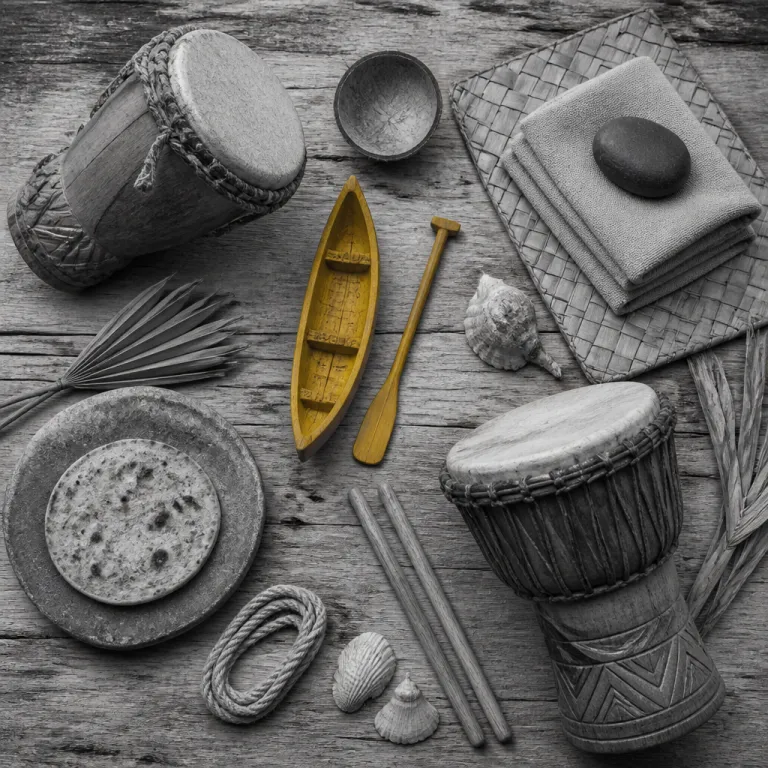
Why a Belize Garifuna culture experience belongs on your luxury itinerary
Along the quiet curve of southern Belize, the first thing you often hear at dusk is not the surf but low Garifuna drumming carrying across the water. For couples used to polished resort routines, this kind of Belize Garifuna culture experience feels different because it is rooted in a living Afro-Indigenous heritage rather than staged entertainment, and it reshapes how you think about luxury itself. In a country where reef, rainforest and Maya sites already compete for attention, choosing time with Garifuna people adds depth, context and a shared story you will talk about long after the flight home.
The Garifuna are an Afro-Indigenous community whose culture, language and dance were inscribed in 2008 as UNESCO Intangible Cultural Heritage of Humanity, a recognition shared by Garifuna people in Belize, Guatemala, Honduras and Nicaragua. When you step into a Garifuna village in southern Belize, you are entering a continuum of Garifuna life that links dugout canoes, cassava fields, punta dance music and the sea, not a theme park built for visitors. That is why the most meaningful Garifuna culture encounters now offered by luxury properties feel less like a show and more like being invited into someone’s day.
Resorts that understand this work directly with local Garifuna people in Hopkins and Punta Gorda, shaping cultural tours that respect community rhythms rather than bus timetables. They recognise that a Belize Garifuna cultural experience is strongest when you hear Garifuna language spoken between neighbours, smell traditional food simmering in coconut milk and see children practising punta steps on sandy lanes. For couples, that intimacy turns a standard cultural tour into a rare kind of shared experience, one that feels both privileged and appropriately humble.
From token shows to immersion: what authentic Garifuna engagement looks like
Many travellers have seen a quick Garifuna drumming set on a hotel deck, followed by a few minutes of dance music before dinner. That is entertainment, but it is not the full Belize Garifuna culture experience that serious luxury travellers now seek, because it flattens a complex heritage into a soundtrack. Authentic engagement starts when resorts step back and let Garifuna culture lead the narrative, with time for questions, context and genuine conversation with the people hosting you.
At places such as Palmento Grove Garifuna Eco Cultural and Healing Institute in Hopkins village, immersion means rolling cassava dough, tasting traditional Garifuna dishes as they cook and learning why long-cherished recipes matter to community identity. You might join a small group for a hands-on workshop where Garifuna drumming is taught slowly, rhythm by rhythm, before you try the flowing movements of punta and other music dance styles that carry stories of migration and resilience. This is where you hear music Garifuna pieces explained, understand how Garifuna music differs from other Caribbean genres and see how drumming, song and dance interlock in daily Garifuna life.
Resorts that already curate deep cultural experiences, such as bean-to-bar chocolate and bush medicine walks highlighted in this guide to Belize cultural experiences luxury resorts rarely advertise, are often the ones integrating Garifuna tours most thoughtfully. They understand that a cultural tour should be led by Garifuna people, priced to include fair community revenue and paced so you can listen to Garifuna language, not just watch a performance. In Hopkins, for example, Palmento Grove publicly notes that a portion of each tour fee supports village youth programmes and cultural workshops, and local organiser Uwahnie Martinez sums up the approach simply: “We are not props; we are partners.” When that happens, the line between host and guest softens, and the experience becomes a respectful exchange rather than a spectacle.
Hopkins village and southern Belize: where culture meets barefoot luxury
Hopkins village in Stann Creek has become the informal capital of Garifuna culture in Belize, yet it still feels like a place where people in Belize live first and tourists arrive second. Sand streets, fishing skiffs and the sound of Garifuna music from wooden houses create a relaxed backdrop that pairs surprisingly well with discreet luxury resorts just outside the village. For couples, this balance means you can slip from an oceanfront suite into a Garifuna settlement within minutes, without sacrificing comfort or privacy.
Properties such as Hamanasi Adventure and Dive Resort and Cindiri on the Reef work with local guides to offer curated tours into Hopkins village and further along southern Belize, including down to Punta Gorda where other Garifuna communities keep traditions strong. A typical Belize Garifuna culture tour here might start with a guided walk through Hopkins, where your host explains how settlement patterns shaped the village and how Garifuna settlement stories still influence where families fish, farm and gather. Later, you might join an evening of Garifuna drumming and dance music in a community space, rather than on a resort stage, hearing how each rhythm links to Garifuna life and history.
For travellers already drawn to archaeological depth, the same curiosity that takes you to jungle lodges shaped by Maya archaeology, as explored in this feature on how Maya heritage reshapes guest experiences, translates naturally to Garifuna culture. You begin to see Belize as a layered cultural landscape where Garifuna people, Maya communities and Mestizo families all contribute distinct traditions, languages and cuisines. Hopkins village becomes not just a beach base but a lens through which southern Belize reveals its full character.
From hudut to coconut milk stews: tasting the Garifuna table
Luxury travellers often remember a place through its food, and Garifuna dishes are some of the most evocative in Belize. The signature dish hudut, a rich fish stew in coconut milk served with pounded plantain, anchors many Belize Garifuna culture itineraries because it brings history, technique and hospitality into a single bowl. When you learn to cook this traditional Garifuna dish beside a village cook, you are not just following a recipe, you are stepping into a lineage.
Resorts now collaborate with home cooks and small restaurants so guests can join intimate cooking classes focused on traditional food rather than resort fusion menus. You might start by grating coconuts by hand, stirring coconut milk into a simmering pot while your host explains how Garifuna dishes differ from Maya or Mestizo cuisine in Belize, and why certain herbs or peppers matter. As the dish hudut thickens, stories of Garifuna settlement, fishing grounds and family celebrations surface, turning a simple meal into a cultural tour of Garifuna life and heritage.
Some properties extend this culinary focus into multi-course dinners that pair hudut with cassava bread, plantain fritters and other traditional Garifuna favourites, often accompanied by soft Garifuna music in the background. Couples who already seek out reef-to-table seafood, such as the lobster feasts highlighted in this guide to Belize resorts where the catch goes from trap to table, will find similar satisfaction in these carefully sourced village menus. The difference is that here, every flavour is tied explicitly to Garifuna culture, from the way fish is cleaned in dugout canoes to the songs sung while stirring the pot.
Garifuna Settlement Day and beyond: choosing resorts that get it right
Garifuna Settlement Day, marked nationwide each November 19, commemorates the arrival of Garifuna people on the shores of Belize and anchors the cultural calendar. In Hopkins and other coastal communities, the celebrations begin before dawn with reenactments of Garifuna settlement by dugout canoe, followed by processions, punta dance music and long hours of Garifuna drumming. For couples, planning a Belize Garifuna culture experience around this day can be powerful, but it requires sensitivity and the right hotel partner.
Resorts that truly respect Garifuna culture treat Settlement Day as a community-led event, not a private show for guests, and they work with local leaders on access, timing and contributions. Many now offer guided cultural tours that frame the history of Settlement Day, explain the role of Garifuna language in songs and help visitors understand why certain rituals are not for cameras. As one local explanation puts it clearly, "What is the Garifuna culture?" and the answer remains simple yet profound: "A unique Afro-Indigenous culture in Central America." At the same time, community advocates in Hopkins and Dangriga often warn that over-scheduling performances or demanding constant access can turn heritage into a commodity, so the best resorts build in rest days, cap group sizes and follow village-led guidelines on consent, photography and filming.
When you evaluate luxury properties in Belize, ask specific questions about how they engage with Garifuna people and whether revenue from tours flows back into Hopkins village or Punta Gorda communities through named projects or cultural funds. Look for programmes that include language lessons, small-group music Garifuna workshops and time in everyday spaces, not just curated stages, because these details signal respect for Garifuna life and heritage. Done well, a Belize Garifuna culture experience becomes less about ticking a cultural box and more about sharing a meaningful day in southern Belize that enriches both guests and hosts.
FAQ
What is included in a typical Belize Garifuna culture experience for luxury travellers ?
A well designed Belize Garifuna culture experience usually combines a guided visit to a Garifuna village, a hands on activity and shared meals. You might join a small group for Garifuna drumming and music dance instruction, followed by a cooking session focused on traditional Garifuna dishes such as the fish and coconut milk dish hudut. Many luxury resorts in Hopkins village and wider southern Belize now partner with Garifuna people to ensure these tours are intimate, respectful and led by community hosts.
Which areas of Belize are best for engaging with Garifuna culture ?
The strongest concentration of Garifuna culture in Belize lies along the southern coast, especially around Hopkins village, Dangriga and Punta Gorda. Hopkins has become a favourite for couples because it combines easy access to upscale resorts with an authentic Garifuna settlement where daily life still revolves around fishing, farming and music. From these bases, you can join cultural tours that explore multiple villages, giving a broader view of Garifuna life, language and heritage.
How can I ensure my Garifuna cultural tour is respectful and not exploitative ?
Start by choosing resorts and operators that work directly with Garifuna people and are transparent about how revenue is shared with the community. Look for small group tours that prioritise conversation, context and time in real village settings rather than quick photo stops or staged dance music shows. During the day, follow your hosts’ guidance on when to film, when to put the camera away and how to engage with elders, children and musicians in a way that honours Garifuna culture.
Are Garifuna drumming and punta dance suitable for all fitness levels ?
Garifuna drumming workshops are accessible to most travellers because instructors break rhythms into simple patterns and adjust the pace to the group. Punta and other music dance styles can be energetic, but you are encouraged to move at your own comfort level and enjoy the music rather than perform. Many couples find that sharing this learning curve together becomes a highlight of their Belize Garifuna culture experience, regardless of prior dance experience.
Can I experience Garifuna Settlement Day without feeling intrusive as a visitor ?
Yes, if you approach Garifuna Settlement Day with humility and the right guidance from local hosts. Staying at a resort that collaborates closely with Garifuna communities in Hopkins or other villages helps, because staff can explain which parts of the Settlement Day ceremonies are open to visitors and how to participate respectfully. By following local protocols, asking permission before taking close-up photos and supporting community led events, you can share in the atmosphere without overshadowing it.