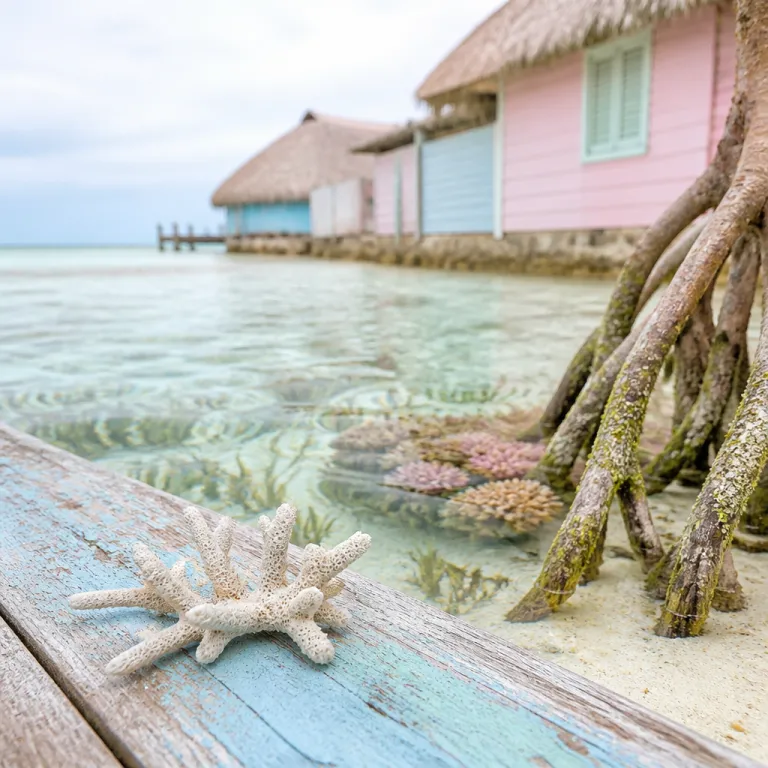
From sustainable to regenerative: why Belize leads the shift
Belize has moved beyond simple eco labels toward a deeper regenerative mindset. In this compact Caribbean nation, regenerative tourism means that every lodge stay funds active repair of reef systems, rainforest corridors and nearby villages. For couples planning Belize travel, the question is no longer whether a property is eco friendly, but how far its regenerative tourism commitments really go.
Traditional sustainable tourism focuses on reducing waste, saving water and limiting environmental damage. Regenerative travel in Belize goes further by restoring mangroves, replanting native trees and supporting local communities through long term education and employment. When you choose a belize regenerative tourism eco lodge, you are not just minimising your footprint, you are helping to rebuild the environment for future generations.
Across Belize, eco tourism pioneers such as Chan Chich Lodge, Tanager Rainforest Lodge, La Milpa Lodge and Gaïa Riverlodge have shown how conservation and hospitality can coexist. These lodges protect tens of thousands of acres of nature while offering refined service to guests who expect comfort with conscience. Their work illustrates a simple truth from the conservation community : "What is eco-tourism? Responsible travel to natural areas conserving environment and improving locals' well-being."
Belize’s government and tourism belize authorities now frame sustainable travel as a national strategy, not a niche. Eco resort operators collaborate with local NGOs and international partners to align regenerative tourism projects with marine and forest policy. For travellers, this means that choosing a lodge with a clear regenerative plan is one of the most powerful decisions you can make before you even pack purpose driven luggage.
Reef, mangroves and white sand: lodges that repair the coast
Along Belize’s Caribbean shoreline, the most forward thinking eco resort properties treat the reef as their primary stakeholder. A belize regenerative tourism eco lodge on the coast will often fund coral nurseries, train a green team of local divers and support reef safe boating practices for all guests. This is not the all inclusive dock, but the reef the guide free dives to check before he takes you snorkelling.
At Hamanasi Adventure and Dive Resort in Hopkins, the team has long linked luxury stays with reef and mangrove protection. Guests can join regenerative travel experiences such as coral planting dives or guided kayak trips through creek systems where mangroves store blue carbon and shelter juvenile fish. Choosing reef safe sunscreen, respecting no touch rules and listening to local guides turns a simple travel day into a small but real contribution to sustainable tourism.
Further south in Placencia, properties under the Muy Ono and Ono Resorts umbrella are gradually weaving regenerative tourism into their coastal operations. Some focus on restoring dunes behind the white sand beaches, others on supporting local communities through scholarships and marine training. When you book a refined coastal stay such as Robert's Grove Beach Resort in Placencia, ask how your stay supports coral nurseries, mangrove replanting and community led monitoring.
Across these resorts, the language of eco tourism is becoming more precise and measurable. Belize travel planners now look for data on coral fragments out planted, hectares of mangroves restored and numbers of local staff trained in environmental monitoring. For couples, this level of transparency turns a romantic beach escape into a shared project that links indulgence with the long term health of the reef and coast.
Rainforest lodges, maya mountains and community rooted luxury
Move inland from the reef and the air cools as the Maya Mountains rise. Here, a different style of belize regenerative tourism eco lodge is reshaping how luxury and conservation intersect in the rainforest. Properties such as Chaa Creek, Chan Chich Lodge, Tanager Rainforest Lodge and La Milpa Lodge anchor vast protected areas while offering polished service and serious guiding.
Chaa Creek, set along a lush creek near San Ignacio, has become shorthand for refined jungle stays that still feel grounded in local culture. The lodge supports nearby local communities through employment, guiding apprenticeships and education programmes that keep tourism revenue circulating close to home. Guests can join guided walks that explain how reforestation projects, wildlife corridors and sustainable travel choices help secure habitat for jaguars, tapirs and countless bird species.
Farther north, Chan Chich Lodge protects around 30,000 acres of rainforest in the Orange Walk District. Here, eco friendly operations are not a marketing flourish but the backbone of a long running conservation model that integrates tourism, research and community engagement. When you stay in these lodges, you see how regenerative tourism means funding ranger patrols, supporting archaeological research and giving local families a stake in keeping the forest standing.
For couples who split their time between reef and jungle, a stay at a serious fishing and diving base such as Turneffe Flats Lodge pairs beautifully with a few nights in the Maya Mountains. This reef to ridge itinerary lets you experience both marine restoration and forest conservation in a single trip. It also highlights how belize travel can be structured so that every transfer, guide and lodge night reinforces a coherent regenerative travel story.
How to read regenerative claims when booking your stay
When you browse luxury listings on mybelizestay.com, the language around eco, green and regenerative can blur. Not every resort that mentions sustainable tourism is operating as a true belize regenerative tourism eco lodge with measurable outcomes. The key is to look past the soft focus photos and into the structure of each programme.
Start with the basics : does the property publish clear environmental goals and report on progress. Serious eco resort operators in Belize will share data on energy use, water treatment, waste reduction and habitat restoration, often verified by third party partners. They will also explain how their green team is trained, how they work with local communities and which external organisations audit or support their environmental work.
Next, examine how guests are invited to participate in regenerative tourism rather than simply observe it. Are there coral nursery dives, mangrove planting days, creek clean ups or citizen science bird counts that fit comfortably into a romantic travel itinerary. A genuine belize regenerative tourism eco lodge will offer these experiences without pressure, framing them as enriching options rather than moral obligations.
Finally, follow the money and the governance. Ask how much of your nightly rate goes into community projects, scholarships or conservation funds, and whether local leaders help decide how those funds are used. When a property can answer these questions clearly, you can book knowing that your sustainable travel choices are aligned with both environmental integrity and community benefit.
Designing a reef to jungle itinerary with purpose
Thoughtful couples planning travel belize often want both barefoot luxury and a sense of purpose. Belize’s compact geography makes it easy to pair a coastal eco resort with a rainforest lodge in a single, seamless itinerary. The art lies in choosing properties whose regenerative tourism commitments complement one another rather than simply repeating the same eco friendly talking points.
A classic route might begin on the Caribbean coast at a belize regenerative tourism eco lodge that focuses on coral restoration, reef safe boating and mangrove protection. After a few days of diving, sailing and walking white sand beaches, you head inland to a property in the Maya Mountains that specialises in reforestation, wildlife corridors and community education. Along the way, you can weave in inland water adventures such as cave tubing and river kayaking, which reveal how creek systems connect forest health to the reef offshore.
To deepen the impact of your regenerative travel, align your activities with each lodge’s strengths. On the coast, prioritise coral nursery dives, seagrass monitoring or beach profiling walks led by the resident green team. In the highlands, join guided hikes that explain how forest conservation, sustainable tourism and the livelihoods of local communities are intertwined.
Throughout the trip, small decisions reinforce the larger regenerative story. Choose reef safe sunscreen, support local artisans rather than imported souvenirs and ask questions about how each lodge measures its environmental and social impact. When you leave Belize, you carry not only memories of reef colours and jungle sounds, but the knowledge that your stay contributed to a more resilient environment for future generations.
FAQ
What is the difference between sustainable tourism and regenerative tourism in Belize ?
Sustainable tourism in Belize focuses on reducing negative impacts, such as cutting waste, saving water and limiting damage to the reef and rainforest. Regenerative tourism goes further by actively restoring ecosystems and supporting community wellbeing through projects like coral nurseries, reforestation and education programmes. When you choose a belize regenerative tourism eco lodge, your stay funds this proactive repair rather than just minimising harm.
How do eco lodges in Belize support conservation on the ground ?
Eco lodges in Belize support conservation by integrating environmental projects into their core operations rather than treating them as side activities. Many fund ranger patrols, maintain coral nurseries, restore mangroves along creek systems and run reforestation programmes in the Maya Mountains. As one expert explanation puts it, "How do eco-lodges support conservation? By implementing sustainable practices and funding restoration projects."
Why should I choose an eco lodge for my Belize trip ?
Choosing an eco lodge for your Belize travel means your holiday spending directly supports the protection of reef, forest and local culture. You still enjoy high comfort levels, but your stay helps finance conservation, provide jobs for local communities and preserve the environment for future generations. This approach aligns luxury with purpose, especially when you select a belize regenerative tourism eco lodge with transparent, measurable programmes.
Can guests participate in conservation activities during their stay ?
Many lodges in Belize invite guests to join hands on conservation activities that fit naturally into a romantic or relaxed itinerary. Options can include coral planting dives, mangrove restoration, creek clean ups, wildlife monitoring walks and visits to community projects supported by the lodge. These experiences turn eco tourism from a passive concept into a meaningful part of your travel story.
Is eco tourism in Belize suitable for first time visitors ?
Eco tourism in Belize is very accessible for first time visitors, especially couples seeking a balance of comfort and authenticity. Properties such as Chaa Creek, Hamanasi and other leading eco resort lodges combine polished service with clear guidance on how to engage with nature and local communities respectfully. As one definition states, "Why visit eco-lodges in Belize? To experience nature responsibly and support conservation efforts."